Donghua Energy joined hands with CNNC to build a zero-carbon industrial park. The price of raw materials soared for half a year, and the net profit dropped by more than 80%.
Changjiang business news ● Changjiang Business Daily reporter Ming Hongze

Donghua Energy (002221.SZ), which constantly promotes the industrial layout, has made heavy moves again.

On the evening of September 6, Donghua Energy announced that the company will join hands with China National Nuclear Corporation to jointly promote the high-temperature gas-cooled reactor project, and it is estimated that the investment will exceed 100 billion yuan in the next five years to jointly build a zero-carbon industrial park. The two sides have also conducted in-depth cooperation in other areas.

Donghua Energy said that the above actions will be conducive to the company’s industrial transformation and upgrading, and greatly reduce the production cost of the process.

Donghua Energy was established in 1996. After more than 20 years of development, it has become one of the top 500 Chinese enterprises. The company’s main business was once dominated by trade, and it is the largest LPG trader in the world and the largest LPG importer in China. In recent years, the company has actively implemented industrial transformation, and now it has become the largest propane dehydrogenation manufacturer in the world.

In the past 10 years, Donghua Energy has achieved a continuous increase in net profit attributable to shareholders of listed companies, but since last year, net profit has declined. In the first half of this year, the company’s net profit was only 146 million yuan, down more than 80% year-on-year.

Donghua Energy explained that geographical conflicts, overlapping epidemics, soaring raw material prices and insufficient downstream demand led to a sharp drop in net profit.

Deep binding with CNNC

A paper announcement by Donghua Energy surprised the market.

According to the latest announcement, on September 6th, Donghua Energy and China National Nuclear Corporation (hereinafter referred to as "China National Nuclear Corporation") signed the Strategic Cooperation Agreement (hereinafter referred to as "Agreement"), which is valid for 10 years.

China National Nuclear Corporation (CNNC) is a super-large state-owned key enterprise directly managed by the central government and belongs to the industry giant.

According to the agreement, the two sides will jointly promote the high-temperature gas-cooled reactor project, and it is estimated that the investment will exceed 100 billion yuan in the next five years to jointly build a zero-carbon industrial park.

In addition, the two sides will jointly establish a hydrogen energy alliance, set up a hydrogen energy research institute and a pilot plant, focus on the thermochemical hydrogen production technology route in the preparation of green hydrogen, and develop solid-state storage materials and equipment for hydrogen.

At the same time, in order to build a hydrogen energy industrial chain and effectively deepen strategic cooperation, the two sides will actively promote CNNC or its member units to become strategic investors of Donghua Energy (accounting for 5%-15% of the shares), and appoint directors to participate in the management of Donghua Energy’s board of directors, so as to create a model of mixed ownership reform of "central enterprises+private enterprises". In addition, according to the principle of "giving priority to quality and price", Donghua Energy (Ningbo factory and Zhangjiagang factory) will be provided with economic and zero-carbon power supply.

The reporter of Changjiang Business Daily found that the cooperation between Donghua Energy and China National Nuclear Corporation not only involves a joint investment of 100 billion yuan in the next five years, but also involves a strategic investment in Donghua Energy, which is deeply tied with its equity relationship and has also made specific agreements on power supply. From this, it can be seen that the two are truly deepening comprehensive cooperation.

Investing 100 billion yuan in the next five years, if it is an enterprise of Donghua Energy, it is not generally difficult.

By the end of June this year, Donghua Energy’s total assets were 36.957 billion yuan, with a total market value of 15.748 billion yuan. With such a volume, it’s hard to imagine that you want to invest hundreds of billions. Holding hands with China National Nuclear Corporation, Donghua Energy will become impossible.

For the above cooperation, Donghua Energy said that the synergy effect on the company’s existing business is significant, which is conducive to the transformation and upgrading of the industry and is expected to greatly reduce the production cost of the process. If both parties cooperate on specific projects within the scope agreed in this agreement, it will have a positive impact on the company’s future performance.

Continuous large-scale investment is under financial pressure

Not only is it difficult to achieve a single investment of 100 billion yuan, but at present, Donghua Energy is also under greater financial pressure.

The semi-annual report shows that as of the end of June this year, Donghua Energy’s asset-liability ratio reached 66.43%. At the end of the period, although the company had 9.037 billion yuan of monetary funds on its books, its short-term debt reached 12.788 billion yuan, which showed obvious short-term debt repayment pressure.

Donghua Energy, originally engaged in trade business, is the largest LPG trader in the world and the largest LPG importer in China. In recent years, the company has actively implemented industrial transformation, and now it has become the largest propane dehydrogenation manufacturer in the world. Its industrial transformation is mainly implemented through investment construction and extended mergers and acquisitions.

In 2015, the first phase project of Zhangjiagang Yangzijiang Petrochemical Co., Ltd. was put into production, which is an important symbol of Donghua Energy’s strategic transformation, upgrading and layout of alkane resources comprehensive utilization industry. In that year, the production facilities of the 660,000-ton propane dehydrogenation to propylene project and the 400,000-ton/year polypropylene project were basically produced at full capacity.

Zhangjiagang Yangzijiang Petrochemical Department was established by Donghua Energy in 2011 with a capital contribution of 560 million yuan, with a shareholding ratio of 56%. In May 2015, the company acquired the remaining 44% equity at a price of 500 million yuan. From 2017 to 2019, Donghua Energy also successively acquired 100% equity of Baoying Jinfan, 100% equity of Polyentang Electronics, 100% equity of Tiansheng Port, and partial equity of Ningbo New Materials to carry out industrial transformation layout.

In 2019, the company announced that it would invest 16.67 billion yuan to build a comprehensive utilization project (Phase I) of alkane resources in Maoming. In order to strengthen the comprehensive utilization of hydrogen energy, in July last year, the company threw out acrylonitrile and its supporting projects to extend the industrial chain, with an estimated investment of more than 6.5 billion yuan.

At present, the company has three production bases in Zhangjiagang, Ningbo and Maoming, and some production capacity is still under planning and construction.

Donghua Energy said that the company will build the world’s largest olefin industrial base based on green chemicals, and plan 10 million tons of polypropylene and multi-copolymerization.

In recent years, the company’s investment cash flow has continued to flow out. From 2020 to the first half of this year, their net outflows were 1.054 billion yuan, 2.852 billion yuan and 1.911 billion yuan respectively.

Because of this, the company bears great financial pressure. In the next five years, the company and China National Nuclear Corporation will jointly invest 100 billion yuan, which will inevitably aggravate its financial pressure.

At one time, Donghua Energy showed strong profitability. In 2016, the company realized a net profit of 470 million yuan. From 2017 to 2020, its net profit increased slowly, but both exceeded 1 billion yuan. In 2021, its net profit dropped by 5.82% to 1.14 billion yuan.

However, in the first half of this year, the company’s performance fell sharply. The semi-annual report shows that its operating income was 15.192 billion yuan, up 6.54% year-on-year, the corresponding net profit was 146 million yuan, and the net profit after deducting non-recurring gains and losses was 95 million yuan, down 80.60% and 86.53% year-on-year.

Donghua Energy explained that geopolitical conflicts triggered international turmoil and superimposed global epidemics, which led to a sharp rise in propane prices. Downstream, due to the epidemic, construction was insufficient, and performance dropped significantly due to the squeeze at both ends.

Will Donghua Energy’s ability to resist risks be enhanced by accelerating industrial layout and financial pressure?
Reporting/feedback

Where does RDN go to treat hypertension? Professor Guo Yifang: The future can be expected.

Renal artery denervation (RDN) is a hot topic in the field of hypertension in recent years. Although it has not been widely used in clinic, with the release of various clinical data, more and more industries focus on RDN.

RDN targets the sympathetic nervous system, which does play a role in raising blood pressure. Therefore, RDN selectively reverses a mechanism of hypertension. But hypertension is a multifactorial disease. Is it really enough to target a single pathogenic mechanism to produce effective and sustained blood pressure reduction in a large number of hypertensive patients? Yixin specially interviewed the vice president of Hebei Provincial People’s Hospital.Professor Guo Yifang, shared his views on the future prospects of RDN.

  One more proof of RDN’s long-term effect  

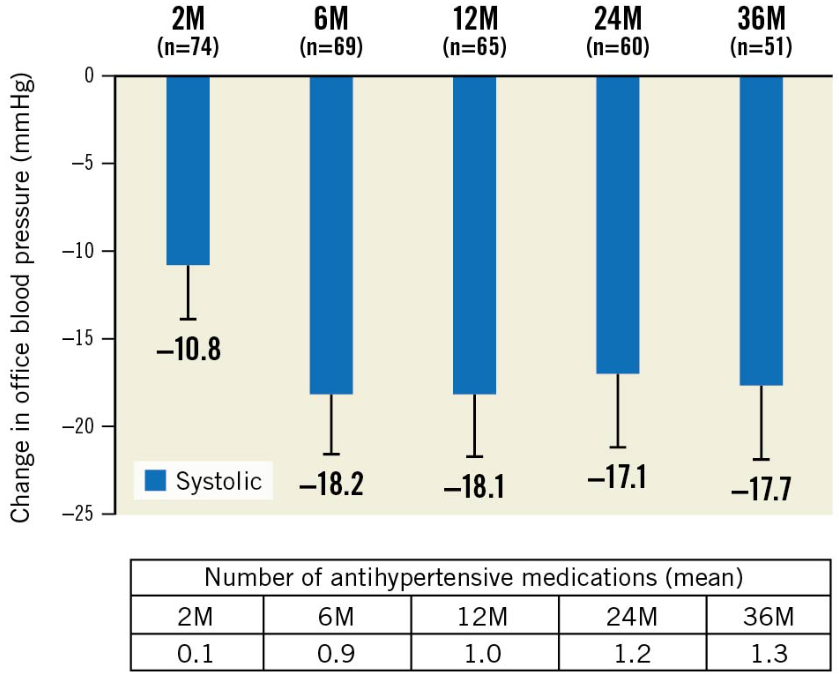
Recently, the three-year research results of RADIANCE-HTN SOLO test were published, which confirmed that the safety and effectiveness of ultrasonic RDN lasted for 36 months.

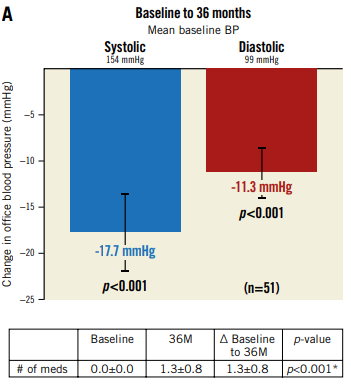
Patients with ambulatory blood pressure ≥135/85 mmHg and < 170/105 mmHg after 4 weeks of stopping antihypertensive drugs were randomly divided into ultrasound RDN group or sham operation group. The results of 36-month follow-up showed that the systolic blood pressure and diastolic blood pressure in RDN group decreased by 17.7 mmHg and 11.3 mmHg respectively compared with baseline. In terms of safety, there were no adverse events related to equipment or operation during the follow-up period.

53991659483286431

56691659483286477

In response to this research result, Professor Guo Yifang pointed out that in recent years, the effectiveness and safety of RDN has been an important topic in the field of hypertension treatment, which has attracted extensive attention from scholars at home and abroad.Radiation-HTN solo research provides valuable new evidence for the instrument treatment of hypertension. However, Professor Guo is cautiously optimistic about the results of this study, considering the differences in the conclusions of several RDN studies published in recent years and the limitations of this study itself..

  The evidence-based road of RDN  

The basic principle of RDN is to block the afferent and efferent activities of sympathetic nerve around renal artery by radio frequency energy, ultrasonic energy or injecting heat into perivascular space, and reduce the influence of sympathetic nervous system on renal vascular resistance, renin release and sodium reabsorption. RDN blocks the signal conduction between the brain and sympathetic nerve to a certain extent, thus reducing the sympathetic nerve excitability of patients with hypertension. Theoretically, it can achieve long-term antihypertensive effect through a minimally invasive operation.

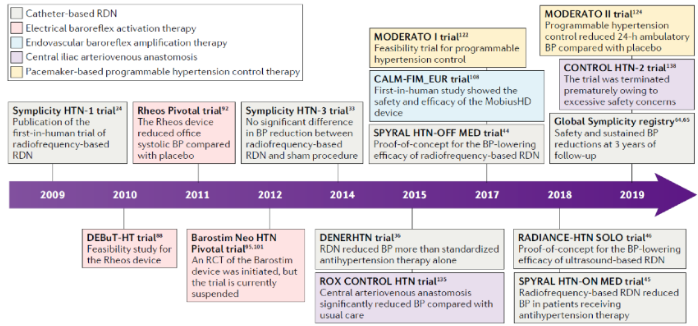
As early as 2009 and 2010, RDN completed two early clinical trials in Europe and Australia, namely Symplicity HTN-1 and HTN-2. The results of 3-year follow-up showed that the average systolic blood pressure and diastolic blood pressure of refractory hypertensive patients receiving RDN decreased by about 30 mmHg and 14 mmHg respectively, and there were no obvious adverse reactions and complications. More importantly, after three years of follow-up, these patients found no obvious signs of blood pressure rebound.

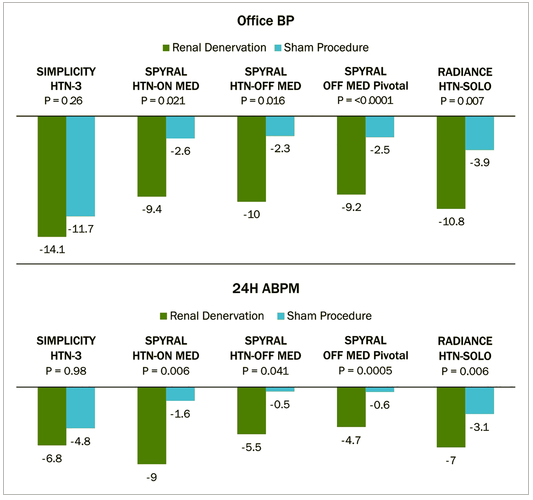
Because this is the first minimally invasive surgical technique that has been proved in history and can definitely lower patients’ blood pressure, RDN shines brilliantly after the above exploratory experiment, but the well-known sham-operated control experiment-Symplicity HTN-3 did not get positive results, which weakened people’s enthusiasm for RDN: although the research proved its safety, it did not significantly lower blood pressure compared with the control group.

On the basis of summarizing the research experience and lessons of SYMPLICITY HTN-3, the researchers subsequently carried out a new generation of randomized controlled trials, such as SPYRAL HTN-OFF MED, SPYRAL HTN-ON MED, SPYRAL HTN-OFF, etc. These studies used different techniques and methods to ablate the renal artery sympathetic nerve. The results showed that the ambulatory blood pressure and clinic blood pressure in RDN group decreased clinically regardless of whether antihypertensive drugs were used or not.

20981659483286607

Clinical research course of RDN

(Source: Nat Rev Cardiol. 2020 Oct; 17(10):614-628. )

26901659483286948

In different studies, compared with sham operation group, systolic blood pressure in RDN group decreased.

The REQUIRE study aims to evaluate the effectiveness and safety of ultrasound renal artery ablation system in controlling blood pressure in patients with refractory hypertension. 143 patients with refractory hypertension (office blood pressure ≥150/90 mmHg and 24-hour SBP≥140 mmHg) were randomly assigned to RDN or sham operation group. Three months after operation, there was no significant difference in the 24-hour ambulatory systolic blood pressure between the RDN group (-6.6 mmHg) and the sham operation group (-6.5 mmHg) (P=0.971). The difference of SBP between family self-measured blood pressure and clinic blood pressure was -1.8 mmHg(P=0.488) and -2.0 mmHg(P=0.511) respectively, and there was no difference. There was no significant difference in drug load between the two groups. No major adverse events related to the operation were found.

At the EuroPCR annual meeting in 2022, a number of research data of RDN were published: Global Symplicity Registry, SPYRAL HTN-ON MED, Radiation HTN Solo & Trio, which further confirmed the potential of RDN as an adjuvant therapy for hypertension, supplemented the existing first-line therapy, and thus changed the lifestyle and drug treatment.

  Professor Guo Yifang: RDN can be expected in the future  

The occurrence of hypertension is a complex process, involving many mechanisms, and it is not expected to solve all patients’ problems through one drug or technology. RDN only blocks renal sympathetic innervation, and may have no therapeutic effect on other mechanisms that cause and maintain hypertension. Moreover, the antihypertensive effect of RDN is moderate, which is only equivalent to taking an antihypertensive drug.

Professor Guo Yifang talked about the future prospect of RDN. He pointed out that RDN is still in the stage of research and exploration, and it can not be used as a mature treatment technology in clinical practice. From the pathophysiological mechanism, the sympathetic nervous system plays an important role in the occurrence and maintenance of hypertension, so in theory, RDN will definitely have an ideal effect on some hypertensive patients. butThe pathophysiological mechanism of hypertension in different patients is inconsistent, the renal artery structure in different patients is obviously inconsistent, the principle of different types of RDN technology and equipment is inconsistent, and the experience and technical level of different operators are inconsistent. These four "inconsistencies" will inevitably affect the effectiveness and safety of RDN treatment and its application value and clinical status in antihypertensive treatment..

On the whole,For patients whose blood pressure can’t be satisfactorily controlled after lifestyle intervention and adequate treatment with various antihypertensive drugs, patients with obvious sympathetic hyperactivity, or patients who can’t tolerate antihypertensive drugs, it is reasonable to carry out RDN treatment in mature medical centers.. It is believed that RDN will play a more important role in the field of hypertension treatment in the future with the progress of related technologies and the continuous improvement of treatment equipment.

Expert introduction

18681659483287032  

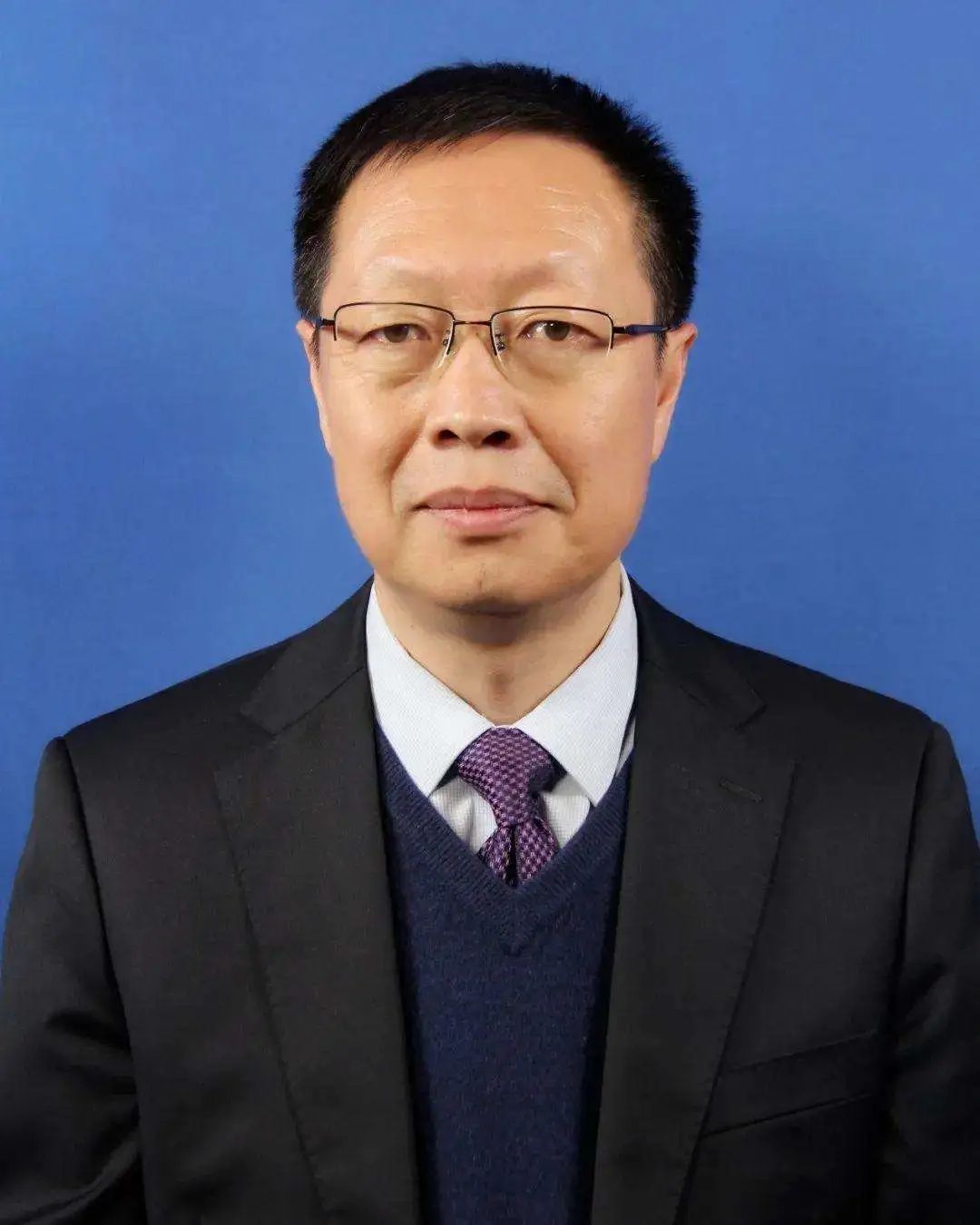
Guo yifang

People’s Hospital of Hebei Province

Chief physician/professor, doctoral tutor, currently vice president of Hebei Provincial People’s Hospital. He is also the vice chairman of the Hypertension Committee of Chinese Medical Doctor Association, the vice chairman of China Society Hypertension Branch, the executive director of China Hypertension Alliance, the chairman of the Geriatrics Branch of Hebei Medical Association, the chairman of the Hypertension Professional Physician Branch of Hebei Medical Association, and the chairman of the Medical Engineering Branch of Hebei Medical Association. And the editorial boards of Chinese Journal of Internal Medicine, Chinese Journal of Geriatrics, chinese journal of cardiology and Chinese Journal of General Practitioners, and the standing editorial boards of Chinese Journal of Hypertension and chinese journal of cardiovascular medicine. Enjoy the special allowance of the State Council.

references

1. David E. Kandzari, Raymond R. Townsend, George Bakris, et al. Renal denervation in hypertension patients: Proceedings from an expert consensus roundtable cosponsored by SCAI and NKF. Catheter Cardiovasc Interv. 03 August 2021. 

2 "China cardiovascular medical device industry innovation white paper 2021"

3. Nat Rev Cardiol. 2020 Oct; 17(10):614-628.

4. C. Venkata S. Ram. Renal Denervation Therapy for Hypertension: All That Glitters Is Not Gold. Medscape. https://www.medscape.com/viewarticle/976670_1

5. Ultrasound renal denervation meets primary efficacy endpoint in RADIANCE II study. Cardiovascularnews. 26th July 2022.

6. Florian Rader, Ajay J. Kirtane, Yale Wang, et al. Durability of blood pressure reduction after ultrasound renal denervation: three-year follow-up of the treatment arm of the randomised RADIANCE-HTN SOLO trial. DOI: 10.4244/EIJ-D-22-00305

Typesetting: Yixin Editorial Department

The list of wildlife protection is updated, and a large number of familiar fish and snakes are included in daily life.

  Pangolin will be "short-listed" in the newly compiled List of National Key Protected Wild Animals without any suspense. Photo by Jiang Zhigang

  Moose photographed in the wild in Altai Mountain. It is the largest deer in the world. Its protection level will be raised to the first level. Institute of Zoology,Chinese Academy of Sciences

  Qingdao lily, also known as Laoshan lily, is a perennial monocotyledonous herb, native to Shandong Province, and is a newly added second-class protected species.

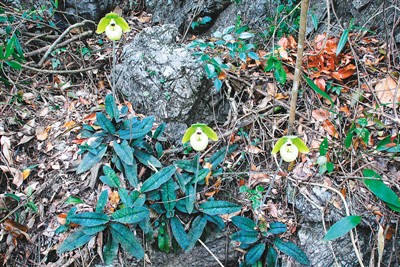
  Paphiopedilum Malipo is a newly recorded first-class protected species. institute of botany,the chinese academy of sciences

  A few days ago, the newly compiled List of National Key Protected Wild Animals (hereinafter referred to as the List of Animals) and List of National Key Protected Wild Plants (hereinafter referred to as the List of Plants) began to be publicized to the whole society and solicited opinions.

  Scientists believe that biodiversity includes animals, plants, microorganisms, ecosystems and their ecological processes, among which animals and plants are the most important part of the biological world and have the closest relationship with human beings. The protection of wild animals and plants is the basis of maintaining biodiversity and ecological balance, and is also closely related to the declaration of world heritage and the establishment of national parks, nature reserves and scenic spots.

  The number of listed species has increased significantly.

  "Overall, the updating of the directory will have a far-reaching impact on the protection of endangered wild animals and plants in China, and will also be conducive to the country’s ecological protection, biodiversity protection, heritage site protection and the restoration of the national ecological environment." Jiang Zhigang, a researcher at the Institute of Zoology, Chinese Academy of Sciences, participated in the research on mammals in the Catalogue of Animals. He said that the country’s work of updating the list of animals and plants has condensed brand-new scientific and technological wisdom. Scientific and technological workers absorb the latest zoological knowledge and research results at home and abroad, and comprehensively consider the living conditions, endangered conditions, protection levels and management needs of species; The opinions of experts, managers and the public were also widely solicited.

  The Animal Catalogue for this consultation involves 661 species of wild animals in 17 classes and 70 orders, which is more than twice as many as the first edition in 1989. "Scientists generally believe that the current endangered situation of species is still serious, and more and more species need to be protected. The main influencing factors are the change of species’ living conditions, endangered status, management needs and international factors. Recently, it was affected by the COVID-19 epidemic. " By clarifying the protection level of wild animals again, we are actually re-examining the relationship between people and wild animals. Jiang Zhigang thinks so.

  The newly compiled Catalogue of Plants contains 468 species and 25 species of wild plants. On the basis of the first batch of Catalogue of Plants, 55 species were deleted and 296 species and 17 species were added. The number of species listed in the two lists has increased significantly compared with before.

  Dr. Qin Haining from Institute of Botany, Chinese Academy of Sciences, has been involved in the tracking and revision of the Catalogue of Plants since it was first published in China in 1999. He said that the number of species newly compiled in the Catalogue of Plants has nearly doubled compared with before. "When the first batch of Plant Catalogue was published in 1999, many plant groups with high economic value and serious resource destruction were not included for various reasons. For example, Orchidaceae, Peony and Ginseng were not added until this time. " He emphasized that in recent years, the state has obviously strengthened the protection of the natural environment and enhanced its emphasis on ecological concepts; In addition, after the COVID-19 epidemic, the whole society paid more attention to animal and plant protection &hellip; &hellip; These social development backgrounds have given a "green light" to the expansion and publication of the directory.

  Respond to the global protection goal

  On July 9th, while the newly compiled Catalogue of Plants was publicly solicited for comments, the World Conservation Union (IUCN) also updated the latest data in 2020 for the IUCN Global Red List of Threatened Species (hereinafter referred to as the IUCN Red List).

  Qin Haining believes that the purpose of compiling these "lists" is to show the endangered status of species, provide a basis for the government to formulate protection policies, and attract public attention. In the process of updating the Catalogue of Plants, we not only refer to the management effect and growth and decline of protected species in China for more than 20 years, but also refer to the list of plants that should be given priority and priority protection listed in the Red List of IUCN and the Red List of Biodiversity in China compiled by China. However, these directories have their own characteristics. IUCN Red List and China Biodiversity Red List are expert systems compiled according to international common standards, which encourage "all assessments should be made". Only some species in the list are endangered. For example, the Red List of Biodiversity in China &mdash; &mdash; Volume of Higher Plants has assessed more than 34,000 species of plants in China, of which only 3,700 species are "threatened", accounting for about 11%. The Catalogue of Animals and the Catalogue of Plants are issued by the government and provide legal protection. The red list ranks the degree of endangerment in the first place; The protection list first considers the values of economy, scientific research and ecological culture.

  In December 2019, the Ministry of Natural Resources became a national member representative of the World Conservation Union (IUCN).

  "The state is the subject of threatened species protection. &lsquo; Red List of National Endangered Species &rsquo; It reflects the living conditions of this species in this country, "Jiang Zhigang said: For example, moose has a large population and wide distribution in North America and Europe, and was rated as" non-dangerous "by the IUCN Red List. But it is completely different in China, which is only distributed in Aershan and Daxing ‘anling, so it was rated as "extremely dangerous" by the Red List of Biodiversity in China. This provides an important basis for China to formulate protection countermeasures.

  It is of great significance to the development of natural heritage.

  Experts agree that the gradual implementation of the newly compiled Catalogue of Animals and Catalogue of Plants is an important event for biodiversity protection in China and an important embodiment of the country’s emphasis on ecological civilization construction.

  Jiang Zhigang explained that the updating process of Animal Catalogue and Plant Catalogue is that the state constantly confirms and reminds people in the form of laws and regulations to restrain people’s behavior in nature reserves. "This will definitely have a positive impact on the protection of the world natural heritage." Qin Haining added: "When we talk about biodiversity in the world natural heritage standards, we will mention the quantity and value of endemic, endangered and protected species. 50% of the wild plants in China and 60% of the species on the protection list are endemic to China, which means that they are unique resources in the world. Therefore, protecting biodiversity in China means protecting global biodiversity. Therefore, the promotion of the new catalogue is conducive to the declaration of new heritage sites and the protection of the original natural heritage sites. "

  After the formal promulgation and implementation, the relevant management and law enforcement departments will implement protection measures according to the two new catalogues, delimit new protected areas, and use this as a basis to approve projects related to biodiversity protection and control exports. Qin Haining believes that the protection of animal and plant species still needs to be combined with the protection of ecosystems to produce the best results. He believes that after the official publication of the directory, the state needs to start supporting protection measures as soon as possible, and the management department should establish a long-term tracking and updating mechanism, such as formulating the principle of updating and withdrawing the directory, and regularly updating it every once in a while.

  Extended reading

  In the Catalogue of Animals for public consultation, giant pandas, red-crowned cranes, tigers, leopards and snow leopards are still under first-class protection. The familiar Tibetan antelope, Tibetan wild donkey and python are reduced to secondary protection. In addition, snakes and fish that were common in the wild were included in a large number this time. Among them, 20 species of Serpentidae are newly listed in the list, and the protection levels of Jinggangshan Ridge Snake, Sansuo Snake, Xizang Hot Spring Snake, Sichuan Hot Spring Snake and Shangri-La Hot Spring Snake are all Grade I; 29 species of CYPRINIDAE were newly listed, among which tong yu in the north and tong yu in the wild round mouth were added as the first-class protected species.

  (The photos in this article are from the Internet except the signature)

Russian Ministry of Defence: Russian troops have paralyzed 3,593 military infrastructures in Ukraine.

  On the evening of the 12th local time, the Russian Ministry of Defence issued the latest war report, saying that since the beginning of the special military operation, the Russian army has paralyzed 3,593 Ukrainian military infrastructures. The Russian Defense Ministry said that in the past day, Russian troops shot down a Mi -24 helicopter gunship and three drones of the Ukrainian army.

  On the morning of the 12th, Russian troops attacked Ukrainian military infrastructure with long-range high-precision weapons, stopping the operation of the military airport in vasil Cove, 40km south of Kiev, and the radio and electronic intelligence center of Ukrainian armed forces in Brovolach.

  In addition, the General Staff of the Ukrainian Armed Forces announced on the 12th that since Russia launched military operations against Ukraine, Ukraine has destroyed 362 Russian tanks, 58 fixed-wing aircraft, 83 helicopters, 1,205 armored vehicles, 135 artillery systems, 62 multi-barrel rockets, 33 air defense systems, 585 cars, 3 warships and 7 tactical drones. (Headquarters reporter Xu Hongbo)

Reduce the social security rate by five insurances and one gold or change to "four insurances and one gold"

Reduce the social security rate more often. Did you get more salary?

  Data map. Xinhua News Agency issued Zhang Chunlei photo

  BEIJING, Beijing, March 23 (Reporter Li Jinlei) "Let enterprises lighten their burdens a little more, and let employees get more cash", which was Li Keqiang, Premier of the State Council of the People’s Republic of China’s statement when answering questions related to "five insurances and one gold" at a Chinese and foreign press conference on March 16. The reporter of Zhongxin. com (WeChat WeChat official account: cns2012) noticed that recently, Shanghai, Guangdong, Tianjin and other places announced the reduction of social security rates.

  In addition, streamlining the "five insurances and one gold" has also set the direction. The recently announced "Thirteenth Five-Year Plan" outlines that maternity insurance and basic medical insurance should be implemented together. This means that with the merger of maternity insurance and basic medical insurance in the future, the familiar "five insurances and one gold" will become "four insurances and one gold".

  Help enterprises reduce costs

  &mdash; &mdash; Reduce social security rates in many places

  Reducing costs is one of the main tasks of China’s economic work in 2016. Under the background of high social security burden, reducing social security burden has become a practical measure for local governments to reduce costs for enterprises.

  The reporter from Zhongxin. com found that recently, Shanghai, Guangdong, Tianjin, Yunnan, Gansu, Hangzhou, Zhejiang, Xiamen, Fujian and other regions have successively introduced new policies to reduce social security rates to varying degrees.

  Shanghai announced on March 21 that from January 1, 2016, the unit contribution rates of employee basic endowment insurance and employee basic medical insurance will be lowered by 1 percentage point, and the unemployment insurance unit contribution rate will be lowered by 0.5 percentage point.

  Guangdong reduced the unemployment insurance premium rate from 2% to 1% from March 1st this year, and demanded that the urban-rural integration of basic medical insurance should be promoted from the second half of 2016, and the unit premium rate should be gradually lowered to about 5.5%.

  In early February this year, Tianjin launched the first batch of 20 policy measures to reduce the cost of enterprises in the real economy, and proposed to reduce the payment rates of unemployment, maternity and work-related injury insurance. Among them, the rate of unemployment insurance paid by enterprises has dropped from 2% to 1%; The rate of paying maternity insurance was reduced from 0.8% to 0.5%; The minimum standard for payment of work-related injury insurance is reduced from 0.5% to 0.2%, and the maximum standard is reduced from 2% to 1.9%. After adjustment, the comprehensive rate level is lowered from 0.67% to 0.54%.

  In addition, Yunnan and Gansu have also lowered unemployment, work injury and maternity insurance rates; Hangzhou, Zhejiang Province, decided to reduce the basic medical insurance premium paid by enterprises by one month every year, the maternity insurance premium rate dropped by 0.2 percentage points, and the benchmark industrial injury insurance premium paid by enterprises dropped by 0.2 percentage points on average; Xiamen, Fujian Province also issued a notice to reduce the employer’s contribution rate of basic medical insurance for enterprise employees by 1 percentage point.

  Data map. Photo by Zhang Yun

  In some areas, the individual payment rate will be lowered.

  &mdash; &mdash; The salary you get may increase.

  It can be seen from observation that according to the local actual situation, the types of social security insurance, the rate decline and the implementation period are not consistent, and most of the downward adjustments are unit payment rates.

  Take Shanghai as an example. This adjustment in Shanghai involves three types of insurance: pension, medical care and unemployment insurance. The overall rate has dropped by 2.5 percentage points, but only the rate of unit contributions has been reduced. According to estimates, after this rate reduction, it is estimated that the burden on enterprises will be reduced by about 13.5 billion yuan in 2016.

  However, the reporter of Zhongxin. com noticed that Guangdong, Yunnan and other regions not only reduced the unit contribution rate, but also took into account the reduction of individual contribution rate.

  For example, the unemployment insurance rate in Guangdong has been reduced from 2% to 1%, of which the unit rate has been reduced from 1.5% to 0.8% and the individual rate has been reduced from 0.5% to 0.2%. According to estimates, in 2016, it is estimated that the insured enterprises in the province can pay less 5.3 billion yuan, and individuals will pay less premiums of 2.4 billion yuan.

  The payment rate of unemployment insurance in Yunnan was reduced from 3% to 2%, of which the employer’s payment rate was reduced from 2% to 1.4% and the individual’s payment rate was reduced from 1% to 0.6%.

  This means that employees in Guangdong, Yunnan and other places may get more wages. Take Yunnan as an example. Employees of enterprises with a monthly salary of 5,000 yuan were required to pay unemployment insurance premium at 1% and 50 yuan every month. After the personal rate is lowered to 0.6%, they only need to pay 30 yuan every month, so they can get more salary 240 yuan every year.

  On the other hand, people are generally worried about lowering the social security rate. After the social security rate is lowered, will the treatment level of the future insured also decline?

  In this regard, Shanghai said in the policy interpretation that at present, the income and expenditure of the social insurance fund for employees in this city is good, with a certain accumulation and an annual balance. The downward adjustment of the basic old-age insurance, medical insurance and unemployment insurance rates will not affect the overall treatment level of the insured.

  Data map. Xinhua News Agency, Fa Jing Wei, photo

  Maternity and medical insurance will be merged.

  &mdash; &mdash; "Five insurances and one gold" or "Four insurances and one gold"

  In addition to lowering the social security rate, some regions also proposed to merge maternity insurance and basic medical insurance.

  The Overall Plan for Supply-side Structural Reform in Guangdong Province (2016&mdash; In 2018), it is proposed to optimize the structure of social security insurance and promote the combined implementation of maternity insurance and basic medical insurance in accordance with the unified national deployment.

  "Several Opinions of Hangzhou Municipal People’s Government on Reducing Costs, Reducing Burden and Removing Capacity to Promote the Healthy Development of the Real Economy in an All-round Way" also requires that maternity insurance should be incorporated into the scope of medical insurance management in a timely manner according to the unified arrangements of the state.

  The reporter of Zhongxin. com noted that the recently announced "Thirteenth Five-Year Plan" clearly stated that maternity insurance and basic medical insurance should be combined.

  This means that with the merger of maternity insurance and basic medical insurance in the future, the familiar "five insurances and one gold" may become "four insurances and one gold". (End)

Noriko Sakai abandoned the 600 million AV comeback road and concentrated on accompanying his son to be a bookboy.


Nori-P

        After a year and a month of drug abuse, Noriko Sakai, a Japanese star, has been rumored to be returning to film to earn money, and the AV industry has offered her a price of 600 million yen to lure her into the sea. A reporter blocked someone in her residence a few days ago. She was carrying her primary school son’s schoolbag, wearing a hat and sunglasses, just like a bookboy. She was kind to the media and laughed and dismissed the rumor: "I won’t come back, and I don’t want to make a movie!"

        According to Taiwan Province news, Noriko Sakai was sentenced to one year and six months’ probation and three years’ probation for possession of drugs and taking drugs last year, which severely damaged her image. Many Japanese and China porn players waved to her and asked her to take off her clothes and come back. The highest price was about 600 million yen, and it was also reported that mainland filmmakers invited her to make a new film. At the end of June, Noriko Sakai divorced successfully, ending her 11-year marriage with Gao Xiangyou, a drug addict’s husband. Some media reported that she had suspended from school and planned to make a comeback.

I was blocked when I came home from shopping, revealing that I was still in college.

        "Tokyo Sports Daily" blocked her at her Tokyo residence at 2 pm on the 1st. She was shocked at first and then showed her trademark smile. The reporter repeatedly asked her: "Have you dropped out of school? Will you return to show business? I heard that you are going to be in a movie? " She said with a cheerful smile, "No, I’m still in college, I won’t come back, and I haven’t made a film!" " She was carrying a big bag and a small bag, carrying her 11-year-old son’s schoolbag, and was asked, "Do you usually pick your own buyer’s supplies?" She immediately held up her shopping bag and said, "As you can see!"

National Bureau of Statistics: The restrictions on purchases and sales are moderately liberalized in many places, and the downward trend of real estate sales may ease.

On April 18th, the State Council held a press conference on the operation of the national economy in the first quarter of 2022. Fu Linghui, spokesperson of the National Bureau of Statistics and director of the National Economic Statistics Department, said that in the first quarter of this year, the investment in real estate development increased by 0.7% year-on-year, while the sales area of commercial housing decreased by 13.8%, and the sales of commercial housing decreased by 22.7%. In the case of declining sales, real estate investment has maintained a certain growth, mainly due to the following factors:

First, the role of relevant policies such as ensuring delivery. Since the end of last year, all regions have adhered to the principle of "ensuring delivery, people’s livelihood and stability", actively promoted the resumption of real estate projects that were suspended in the previous period and promoted the construction of projects under construction. In the first quarter, the investment growth rate of real estate projects with a construction period of more than one year exceeded 10%. With the promotion of real estate project construction, in the first quarter, the investment in construction and installation projects among real estate development investment increased by 0.9% year-on-year, driving the growth of real estate investment by more than 0.5 percentage points.

The second is the impact of land purchase fees. In the investment of real estate development, the land purchase fee occurred in the early stage is gradually included with the real estate construction, which correspondingly supports the growth of real estate investment. In the first quarter, the land purchase fee increased by 0.6% year-on-year, which boosted the growth of real estate development investment by more than 0.1 percentage points.

It should also be noted that despite the decline in real estate sales, the total amount of real estate sales is still greater than the total amount of real estate investment, and real estate sales can still support investment to a certain extent. At the same time, the growth of real estate investment is also affected by price factors. Since the beginning of this year, the prices of building materials, engineering installation, etc. have increased relatively, which has pushed up the nominal growth rate of real estate investment to a certain extent.

About the trend of real estate in the next stage. Although the current real estate sales are declining, we should also see that with the moderate liberalization of restrictions on purchases and sales, lowering the threshold for the use of provident funds, and speeding up the approval of home purchase loans, the housing demand in some cities has been released, and the decline in sales area has narrowed.

Fu Linghui also said that,In the next stage, all localities will adhere to the principle of "staying in houses without speculation", continue to stabilize land prices, house prices and expectations, improve the long-term mechanism of the real estate market, and actively meet reasonable housing demand, so that the downward trend of commercial housing sales nationwide may be alleviated. With the continuous improvement of the long-term rental market and the acceleration of the construction of affordable housing, the real estate market is expected to gradually stabilize.

In his speech at the conference on the integration of science and technology and capital development, Wang Qingxian pointed out that we should work together to build a virtuous circle of science and t

  On the morning of November 21st, a conference on the integration of technology and capital was held in Hefei, which was jointly organized by China Academy of Sciences Holding Co., Ltd. and CITIC Securities Co., Ltd.. Wang Qingxian, Governor of Anhui Province, attended and delivered a speech.

  In his speech, Wang Qingxian pointed out that it is necessary to thoroughly study and implement the spirit of the important speech delivered by the Supreme Leader General Secretary at the Central Financial Work Conference, better combine the promotion of high-quality financial development with the realization of high-level scientific and technological self-reliance and the construction of a modern industrial system, continuously deepen the cooperation among science and technology, industry and capital, promote the deep integration of innovation chain’s industrial chain, capital chain and talent chain, and continuously improve the transformation and industrialization level of scientific and technological achievements.

  Wang Qingxian emphasized that vigorous innovation is Anhui’s most beautiful business card, and distinctive manufacturing features are the most solid support for Anhui’s high-quality development. In the process of building an influential source of scientific and technological innovation and a gathering place of emerging industries, Anhui has given full play to the important role of capital in driving the concentration and allocation of various production factors, vigorously promoted the construction of multi-level capital markets, and effectively empowered scientific and technological innovation and industrial innovation by implementing the "Welcome to Pine" plan and building a "fund jungle" system. Anhui will persistently use platform thinking and ecological concepts to promote the integration, agglomeration and interactive coupling of factor resources, vigorously promote the construction of Silicon Valley of HKUST, Science and Technology Business School of China HKUST and Antelope Industry Internet platform, and promote scientific research institutions, colleges and universities, scientific apparatus to carry out collaborative innovation with enterprises and capital, so as to create an ecosystem of integrated development of science and technology, industry and capital.

  Wang Qingxian said that Anhui is willing to become a "testing ground" for the integration and docking of national science and technology, industry and capital, and hopes that more investors and entrepreneurs will fully grasp the broad opportunities of Anhui in building a new development pattern, and carry out in-depth cooperation in the transformation of scientific and technological achievements, the development of emerging industries, industrial venture capital funds, and the construction of innovation platforms, and form more promotion of "science and technology &mdash; Industry &mdash; Innovative practice of virtuous circle of finance.

  At the meeting, the main responsible comrades of China Academy of Sciences Holdings Co., Ltd. and CITIC Jiantou Securities Co., Ltd. delivered speeches successively. Nearly 500 well-known academicians and experts, representatives of listed companies, science and technology enterprises and financial investment institutions from the fields of information optoelectronics, computing chips and general artificial intelligence attended the meeting. (Reporter Wu Liangliang)

How to pay three insurances and one gold? What are the rules for the payment ratio?

Three insurances and one fund include endowment insurance, medical insurance, unemployment insurance and housing accumulation fund, which are closely related to people’s lives, life security after retirement, reimbursement of medical expenses and satisfaction of housing demand. The following will introduce in detail the payment method and payment ratio of three insurances and one gold.

There are two main ways to pay three insurances and one gold: unit payment and individual payment. For on-the-job employees, three insurances and one gold are usually withheld and remitted by their units. Before the monthly salary is paid, the unit will deduct the personal contribution from the employee’s salary according to the regulations, and at the same time, the unit will also bear the corresponding contribution share and pay the money to the relevant departments in a unified manner. Taking employees of enterprises as an example, enterprises will transfer the three insurances and one gold fees payable by employees and enterprises to the accounts designated by social security agencies and housing provident fund management centers at a fixed time every month by means of bank transfer.

Flexible employees without fixed units, such as individual industrial and commercial households and freelancers, can also pay three insurances and one gold by themselves. They need to go to the local social security agency and the housing provident fund management center to apply for insurance and open an account. When handling, you need to bring your ID card, household registration book and other relevant information, fill in the application form, and choose the payment grade that suits you. Payment methods can be selected from bank withholding and online payment. For example, in some areas, it is convenient and fast to allow flexible employees to pay fees through mobile APP.

Regarding the proportion of payment, there are certain differences in different regions. The following are the approximate proportions in general:

Insurance/provident fund Unit contribution ratio Individual contribution ratio endowment insurance Generally 16%-20% 8% medical insurance 6% – 10% About 2% unemployment insurance 0.5% – 2% 0.2% – 1% housing accumulation fund 5% – 12% 5% – 12%

For example, in a certain area, the pension insurance unit pays 16% and the individual pays 8%; Medical insurance units pay 8% and individuals pay 2%; Unemployment insurance units pay 0.7% and individuals pay 0.3%; The proportion of housing provident fund units and individuals is 8%. Assuming that the employee’s monthly salary is 5,000 yuan, then the employee pays 400 yuan (5,000× 8%) and 800 yuan (5,000× 16%) for the monthly pension insurance; Medical insurance individuals pay 100 yuan (5000×2%) and units pay 400 yuan (5000× 8%); Unemployment insurance individuals pay 15 yuan (5000×0.3%) and units pay 35 yuan (5000 × 0.7%); 400 yuan (5000×8%) shall be paid by individuals and units for housing provident fund.

It should be noted that all localities will adjust the payment ratio according to local economic development level, average social wage and other factors. Therefore, when paying three insurances and one gold, it is suggested to pay attention to the changes of local policies in time, or call the local social security hotline 12333 and the housing provident fund hotline 12329 for consultation to ensure accurate payment.

(Editor: Wang Zhiqiang HF013)

[Disclaimer] This article only represents the author’s own views and has nothing to do with Hexun. Hexun.com is neutral about the statements and opinions in this article, and does not provide any express or implied guarantee for the accuracy, reliability or completeness of the contents. Readers are requested for reference only, and please take full responsibility. Email: news_center@staff.hexun.com.

Flood-fighting volunteers blocked the piping with their bodies. The doctor warned not to go into the water again.

Flood-fighting volunteers blocked the piping with their bodies. The doctor warned not to go into the water again.

  Wang Haoming waded for rescue in Weihui City, Xinxiang, Henan Province. Photo courtesy of respondents

  Hebi, Zhongxin. com, August 1 ST: Flood-fighting volunteers use their bodies to block piping. Doctors warn not to go into the water again.

  Zhongxin. com reporter Lu Yuguo

  Wang Haoming, who has volunteered for flood fighting and rescue work in Henan for five days, can’t go to Xunxian County to fight floods again.

  From July 27th to 31st, Wang Haoming from Heyang County, Weinan, Shaanxi Province participated in flood fighting and rescue in Weihui City, Xinxiang, Henan Province and Jun County, Hebi, respectively.

  Wang Haoming and other volunteers blocked the piping with their knees against sandbags. Photo courtesy of respondents

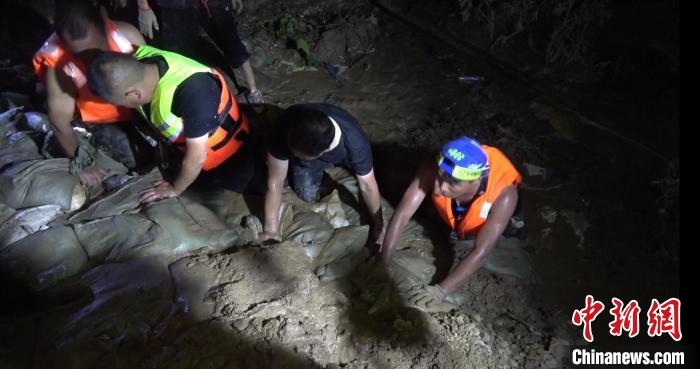
  On the evening of July 30, he led several volunteers to block the piping with their bodies, and cooperated with the officers and men of the armed police to successfully save the dam of Xichen Village in Xun County to ensure that the Xicheng District west of Weihe River in Xun County was not flooded.

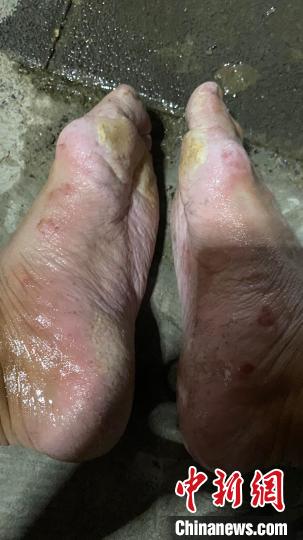
  Because his feet were soaked in the flood for a long time in the past few days, on the evening of July 31, he was sent to the hospital because his feet were cracked, swollen and painful. The doctor warned him not to go into the water again in the near future.

  Wang Haoming, 30 years old, previously worked in Action body double. On July 23rd, when he was filming in Xi ‘an, Shaanxi Province, he learned that there was a rainstorm in Henan Province, so he decided to go to Xinxiang, Henan Province, which was seriously affected, to participate in flood fighting and rescue.

  Wang Haoming’s feet were slightly ulcerated due to long soaking time. Photo courtesy of respondents

  "On the 25th and 26th, there were no trains to Henan for two consecutive days." On July 27th, Wang Haoming first took a bus to Zhengzhou East, and then transferred to Xinxiang.

  Arriving at the edge of Weihui city at 12 o’clock, Wang Haoming took the initiative to find a job: standing in waist-deep flood water to help transfer trapped people. "If you are young, help them out; If you are older, just carry them out. "

  On the same day, Wang Haoming waded for 11 hours. The next day, local volunteers in Xinxiang drove him to Xunxian County, Hebi City, and went directly to Fuzhuang Dike to participate in the patrol of Dike and sandbag filling.

  On the morning of July 29th, Wang Haoming went to Wangzhuang to help transfer villagers. On the morning of 30th, he went to Fuzhuangdi, and on the afternoon of 30th, he went to Xichen Village. "I will run where people are most needed."

  Xichen Village Dam is a part of Fuzhuang Dam, which is the last line of defense to protect the Xicheng District west of Weihe River in Xun County. At 19 o’clock on July 30, piping occurred in the dam of Xichen Village.

  Wang Haoming, who was packing sandbags nearby, found the piping and jumped down decisively to explore the situation. "I looked at it with a flashlight, mainly because the bottom of the big sandbag was hollowed out, so I quickly used a shovel to smash the soil on both sides, so that the sandbag above could sink."

  In order to deal with piping as soon as possible, Wang Haoming shouted to others to throw sandbags quickly, while holding the sandbags with his knees to prevent them from being washed away by piping rapids. Several other volunteers followed suit.

  At the critical moment, the officers and men of the armed police who were carrying out the dike-fixing task nearby arrived quickly and immediately took over the task of blocking piping.

  "I counted, at least a dozen armed police officers and men held sandbags with their knees." Wang Hao said that his task was temporarily changed to cooperate with the officers and men of the armed police to widen and reinforce the dam. At 0: 30 the next day, the danger of piping was finally eliminated.

  Two hours ago, residents of Xicheng District, Weihe River in Xun County were urgently transferred. When the news came, many residents’ hanging experiences were put down.

  On July 31st, it was another busy day. That night, he was preparing to eat when he suddenly felt pain in his feet and it became more and more serious. "It hurts like a needle, which is particularly uncomfortable."

  When local volunteers sent Wang Haoming to Xunxian Chinese Medicine Hospital, his feet were swollen and there were some small cracks.

  "This is mainly because your feet have been in the water for too long, and the sediment has been ground badly. Note that you must not go into the water again in the near future, otherwise it will be troublesome to cause infection. " The doctor warned Wang Haoming.

  At the end of the interview, Wang Haoming said goodbye to the reporter of Zhongxin.com with an apology. "I am afraid that there will be no chance to participate in the follow-up rescue work. I hope that Jixian will win the flood control as soon as possible." (End)