Where does RDN go to treat hypertension? Professor Guo Yifang: The future can be expected.

Renal artery denervation (RDN) is a hot topic in the field of hypertension in recent years. Although it has not been widely used in clinic, with the release of various clinical data, more and more industries focus on RDN.

RDN targets the sympathetic nervous system, which does play a role in raising blood pressure. Therefore, RDN selectively reverses a mechanism of hypertension. But hypertension is a multifactorial disease. Is it really enough to target a single pathogenic mechanism to produce effective and sustained blood pressure reduction in a large number of hypertensive patients? Yixin specially interviewed the vice president of Hebei Provincial People’s Hospital.Professor Guo Yifang, shared his views on the future prospects of RDN.

  One more proof of RDN’s long-term effect  

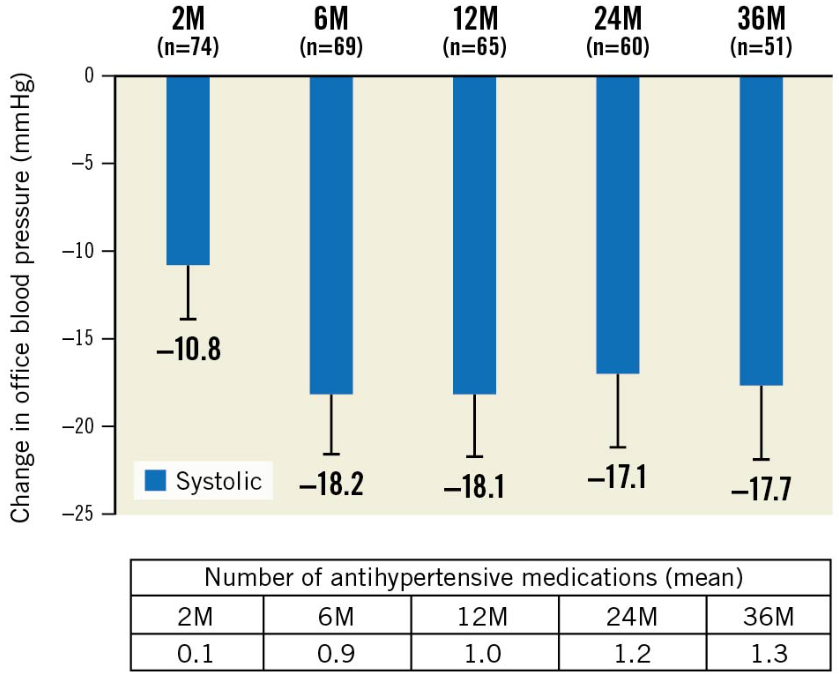
Recently, the three-year research results of RADIANCE-HTN SOLO test were published, which confirmed that the safety and effectiveness of ultrasonic RDN lasted for 36 months.

Patients with ambulatory blood pressure ≥135/85 mmHg and < 170/105 mmHg after 4 weeks of stopping antihypertensive drugs were randomly divided into ultrasound RDN group or sham operation group. The results of 36-month follow-up showed that the systolic blood pressure and diastolic blood pressure in RDN group decreased by 17.7 mmHg and 11.3 mmHg respectively compared with baseline. In terms of safety, there were no adverse events related to equipment or operation during the follow-up period.

53991659483286431

56691659483286477

In response to this research result, Professor Guo Yifang pointed out that in recent years, the effectiveness and safety of RDN has been an important topic in the field of hypertension treatment, which has attracted extensive attention from scholars at home and abroad.Radiation-HTN solo research provides valuable new evidence for the instrument treatment of hypertension. However, Professor Guo is cautiously optimistic about the results of this study, considering the differences in the conclusions of several RDN studies published in recent years and the limitations of this study itself..

  The evidence-based road of RDN  

The basic principle of RDN is to block the afferent and efferent activities of sympathetic nerve around renal artery by radio frequency energy, ultrasonic energy or injecting heat into perivascular space, and reduce the influence of sympathetic nervous system on renal vascular resistance, renin release and sodium reabsorption. RDN blocks the signal conduction between the brain and sympathetic nerve to a certain extent, thus reducing the sympathetic nerve excitability of patients with hypertension. Theoretically, it can achieve long-term antihypertensive effect through a minimally invasive operation.

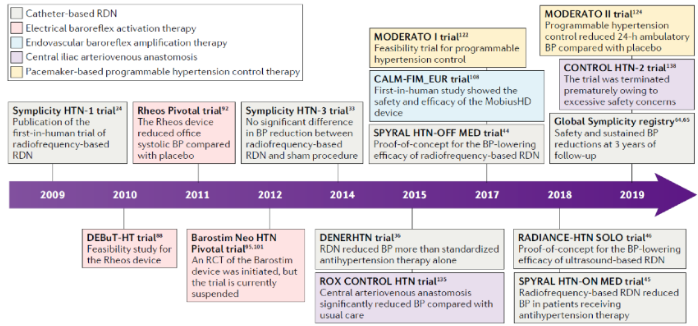
As early as 2009 and 2010, RDN completed two early clinical trials in Europe and Australia, namely Symplicity HTN-1 and HTN-2. The results of 3-year follow-up showed that the average systolic blood pressure and diastolic blood pressure of refractory hypertensive patients receiving RDN decreased by about 30 mmHg and 14 mmHg respectively, and there were no obvious adverse reactions and complications. More importantly, after three years of follow-up, these patients found no obvious signs of blood pressure rebound.

Because this is the first minimally invasive surgical technique that has been proved in history and can definitely lower patients’ blood pressure, RDN shines brilliantly after the above exploratory experiment, but the well-known sham-operated control experiment-Symplicity HTN-3 did not get positive results, which weakened people’s enthusiasm for RDN: although the research proved its safety, it did not significantly lower blood pressure compared with the control group.

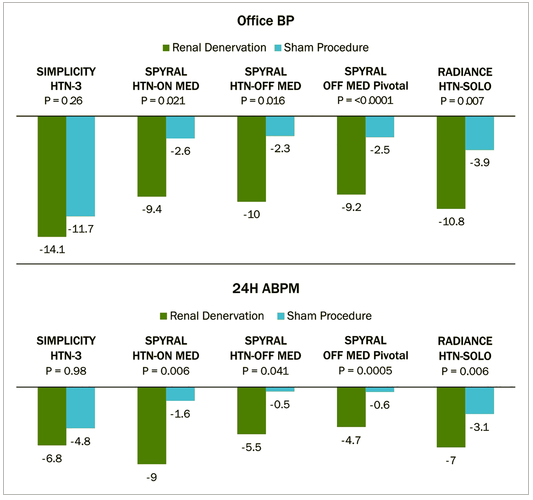
On the basis of summarizing the research experience and lessons of SYMPLICITY HTN-3, the researchers subsequently carried out a new generation of randomized controlled trials, such as SPYRAL HTN-OFF MED, SPYRAL HTN-ON MED, SPYRAL HTN-OFF, etc. These studies used different techniques and methods to ablate the renal artery sympathetic nerve. The results showed that the ambulatory blood pressure and clinic blood pressure in RDN group decreased clinically regardless of whether antihypertensive drugs were used or not.

20981659483286607

Clinical research course of RDN

(Source: Nat Rev Cardiol. 2020 Oct; 17(10):614-628. )

26901659483286948

In different studies, compared with sham operation group, systolic blood pressure in RDN group decreased.

The REQUIRE study aims to evaluate the effectiveness and safety of ultrasound renal artery ablation system in controlling blood pressure in patients with refractory hypertension. 143 patients with refractory hypertension (office blood pressure ≥150/90 mmHg and 24-hour SBP≥140 mmHg) were randomly assigned to RDN or sham operation group. Three months after operation, there was no significant difference in the 24-hour ambulatory systolic blood pressure between the RDN group (-6.6 mmHg) and the sham operation group (-6.5 mmHg) (P=0.971). The difference of SBP between family self-measured blood pressure and clinic blood pressure was -1.8 mmHg(P=0.488) and -2.0 mmHg(P=0.511) respectively, and there was no difference. There was no significant difference in drug load between the two groups. No major adverse events related to the operation were found.

At the EuroPCR annual meeting in 2022, a number of research data of RDN were published: Global Symplicity Registry, SPYRAL HTN-ON MED, Radiation HTN Solo & Trio, which further confirmed the potential of RDN as an adjuvant therapy for hypertension, supplemented the existing first-line therapy, and thus changed the lifestyle and drug treatment.

  Professor Guo Yifang: RDN can be expected in the future  

The occurrence of hypertension is a complex process, involving many mechanisms, and it is not expected to solve all patients’ problems through one drug or technology. RDN only blocks renal sympathetic innervation, and may have no therapeutic effect on other mechanisms that cause and maintain hypertension. Moreover, the antihypertensive effect of RDN is moderate, which is only equivalent to taking an antihypertensive drug.

Professor Guo Yifang talked about the future prospect of RDN. He pointed out that RDN is still in the stage of research and exploration, and it can not be used as a mature treatment technology in clinical practice. From the pathophysiological mechanism, the sympathetic nervous system plays an important role in the occurrence and maintenance of hypertension, so in theory, RDN will definitely have an ideal effect on some hypertensive patients. butThe pathophysiological mechanism of hypertension in different patients is inconsistent, the renal artery structure in different patients is obviously inconsistent, the principle of different types of RDN technology and equipment is inconsistent, and the experience and technical level of different operators are inconsistent. These four "inconsistencies" will inevitably affect the effectiveness and safety of RDN treatment and its application value and clinical status in antihypertensive treatment..

On the whole,For patients whose blood pressure can’t be satisfactorily controlled after lifestyle intervention and adequate treatment with various antihypertensive drugs, patients with obvious sympathetic hyperactivity, or patients who can’t tolerate antihypertensive drugs, it is reasonable to carry out RDN treatment in mature medical centers.. It is believed that RDN will play a more important role in the field of hypertension treatment in the future with the progress of related technologies and the continuous improvement of treatment equipment.

Expert introduction

18681659483287032  

Guo yifang

People’s Hospital of Hebei Province

Chief physician/professor, doctoral tutor, currently vice president of Hebei Provincial People’s Hospital. He is also the vice chairman of the Hypertension Committee of Chinese Medical Doctor Association, the vice chairman of China Society Hypertension Branch, the executive director of China Hypertension Alliance, the chairman of the Geriatrics Branch of Hebei Medical Association, the chairman of the Hypertension Professional Physician Branch of Hebei Medical Association, and the chairman of the Medical Engineering Branch of Hebei Medical Association. And the editorial boards of Chinese Journal of Internal Medicine, Chinese Journal of Geriatrics, chinese journal of cardiology and Chinese Journal of General Practitioners, and the standing editorial boards of Chinese Journal of Hypertension and chinese journal of cardiovascular medicine. Enjoy the special allowance of the State Council.

references

1. David E. Kandzari, Raymond R. Townsend, George Bakris, et al. Renal denervation in hypertension patients: Proceedings from an expert consensus roundtable cosponsored by SCAI and NKF. Catheter Cardiovasc Interv. 03 August 2021. 

2 "China cardiovascular medical device industry innovation white paper 2021"

3. Nat Rev Cardiol. 2020 Oct; 17(10):614-628.

4. C. Venkata S. Ram. Renal Denervation Therapy for Hypertension: All That Glitters Is Not Gold. Medscape. https://www.medscape.com/viewarticle/976670_1

5. Ultrasound renal denervation meets primary efficacy endpoint in RADIANCE II study. Cardiovascularnews. 26th July 2022.

6. Florian Rader, Ajay J. Kirtane, Yale Wang, et al. Durability of blood pressure reduction after ultrasound renal denervation: three-year follow-up of the treatment arm of the randomised RADIANCE-HTN SOLO trial. DOI: 10.4244/EIJ-D-22-00305

Typesetting: Yixin Editorial Department

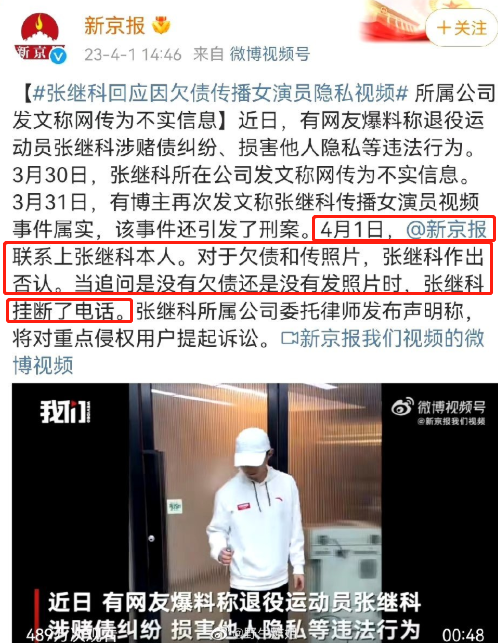
Lawyers interpret the ZhangJike storm: if you collude with creditors to extort Jing Tian, it will constitute an accomplice in extortion.

A few days ago, ZhangJike was exposed to a gambling debt dispute and spread private videos of others, which caused widespread concern. Seeing the rumors getting worse, ZhangJike issued a lawyer’s statement, claiming that some users’ comments had infringed on ZhangJike’s reputation, and investigation and evidence collection have been carried out. However, this did not stop the news from continuing. Well-known reporter Li Weiao subsequently published two articles, and the content of the news was more detailed and specific.

Li Wei ‘ao broke the news that the creditor who asked Jing Tian for money was sentenced. If the creditor asks Jing Tian for money by threatening the private video, and the person who gave the private video to the creditor is ZhangJike, does he need to bear legal responsibility in this case?

What kind of legal responsibility will it face to spread other people’s private videos? Will you be sentenced? If sentenced, how long will it take?

Can the celebrity accuse the gossip disseminator of infringement of his reputation right prove that the gossip spread is false? Is it true that the scandal will sue the right of reputation infringement, and the false will sue the crime of libel?

……

With these questions, I consulted lawyer Li Yang of Beijing Yingke (Shanghai) Law Firm and lawyer Liang Keli of Wanshang Tianqin (Shanghai) Law Firm.

You can’t repay your gambling debts, and you use your ex-girlfriend’s private photos to pay off your debts?

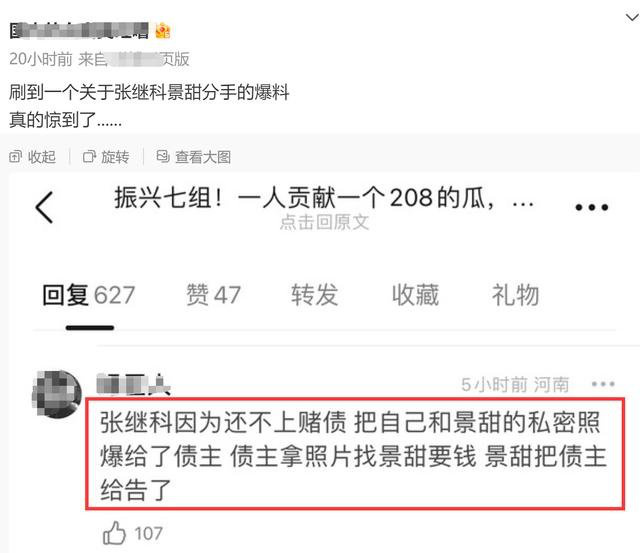
At the end of March, some netizens broke the news that ZhangJike had leaked private photos of himself and his predecessor, Jing Tian, to his creditors because he had not paid his gambling debts. After the creditor got the private photos, he asked Jing Tian for money on this matter. Then Jing Tian sued the creditor.

ZhangJike Studio first issued a statement on the 30th, saying: "Mr. ZhangJike has no debt disputes, and there is no case of damaging the privacy of others in order to protect himself. The rumor is purely fabricated."

On March 31, Li Weiao, the chief reporter of Economic Observer, wrote with his real name account: "From some judicial materials I saw and mastered a few years ago, ZhangJike passed on Ms. Jing’s private video to others. This is true." .

On the same day, ZhangJike Studio entrusted a lawyer to issue a statement, saying that some users’ remarks caused ZhangJike.Infringement of reputation rightAt present, investigation and evidence collection work has been carried out, and lawsuits will be filed against key infringing users who have repeatedly published or refused to delete infringing content and caused great adverse effects.

However, ZhangJike’s lawyer’s statement did not prevent Li Wei ‘ao from publishing a message again. Li Weiao then issued two more articles, and the content of the news was more detailed and specific.

Li Weiao revealed that the judicial materials showed that there were 3 private videos of Ms. Jing and 1 video screenshot. ZhangJike admitted that he had shown others a segment of the above video. In addition, ZhangJike was sued by his creditors (and his family) a few years ago. After the prosecution, after mediation, Zhang returned the creditor (and family) 1 million yuan. However, ZhangJike’s IOU is 5 million yuan, and that IOU is still in the hands of creditors (and family members). He also said that ZhangJike’s debt and video problems were not simply "gossip" of celebrities, but caused a serious criminal case. In this case, Ms. Jing is a complete victim. ZhangJike’s creditor, who asked her for money, later pleaded guilty and is still serving his sentence.

After Li Wei ‘ao broke the news again, some media reported that he had contacted ZhangJike himself. ZhangJike denied the debt and the photos. But when asked whether there was no debt or no photos, ZhangJike hung up.

On April 2, ZhangJike’s attorney responded to the media that this matter has actually been responded. One is that the studio has completely denied it. "Another, we are entrusted to investigate the facts of infringement and are ready to sue immediately."

Lawyer’s interpretation:

Winning the case of reputation right doesn’t mean that the gossip is false, and the fake star statement may also be infringing.

Under what circumstances should I bear legal responsibility for spreading other people’s private videos?Lawyer Li Yang said to the analysis that the dissemination of other people’s private videos may constitute an infringement of others’ privacy. If the content of private videos is sensitive and the scope of dissemination is wide, it may also constitute the crime of spreading obscene articles. According to Article 364 of the Criminal Law, whoever disseminates obscene books, periodicals, films, audio-visual images, pictures or other obscene articles, if the circumstances are serious, shall be sentenced to fixed-term imprisonment of not more than two years, criminal detention or public surveillance. "If it is a small-scale spread, it is basically necessary for the victims to call the police themselves. butIf it is a large-scale dissemination of obscene articles, the police may actively intervene if they find it at work. However, the latter is unlikely. Unless the perpetrator spreads the private video on the whole network. "Lawyer Li Yang told me.

According to reporter Li Wei ‘ao, he claimed that ZhangJike’s debt and video problems were not simply "gossip" of stars, but caused a serious criminal case. In this case, Ms. Jing is a complete victim. ZhangJike’s creditor, who asked her for money, later pleaded guilty and is still serving his sentence. At the same time, Li Weiao threw a question to ZhangJike: "What role did ZhangJike play in this case, and can he respond publicly?"

If Li Wei ‘ao’s news is true, does ZhangJike need to be responsible in this case? In this regard, lawyer Li Yang said to the analysis that the creditor was criminally held accountable for asking Jing Tian for money, which probably constituted the crime of extortion.ZhangJike’s responsibility depends on whether ZhangJike forms an accomplice relationship with the creditors."For example, if ZhangJike gave private materials to creditors and colluded with them (including consulting together and directing creditors, etc.) to extort Jing Tian, although he did not participate in the extortion, it would also constitute an accomplice in extortion; On the contrary,If ZhangJike only sold or otherwise gave the private information to the creditor, but did not participate in the extortion and did not collude with the creditor, it should not be considered that he should bear criminal responsibility for this crime. "However, it is not easy to judge whether it is collusion or not, unless the creditor can provide evidence such as recording. Or if the creditor confessed that he was colluding with Zhang, and ZhangJike himself admitted it.

ZhangJike Studio issued two statements in response to the storm. In the statement issued by the studio for the first time, it was responded that some infringing users made defamatory remarks about Mr. ZhangJike’s character and private life without any factual basis, slandering him for his involvement in gambling debt disputes, fund fraud and other illegal acts. He also said: "Mr. ZhangJike has no debt disputes, and there is no situation of damaging the privacy of others in order to protect himself. The rumor is purely fabricated." The statement issued by the second entrusted lawyer did not deny the relevant rumors, saying that evidence will be obtained for the infringement of reputation rights.

Many netizens are curious about whether the statement issued by the star studio has legal effect, and whether it is necessary to bear legal responsibility if there is anything contrary to the facts in the statement. In this regard, lawyer Li Yang told the analysis that,The statement issued by the studio is generally only regarded as a public explanation. If there are fabricated facts and other plots, which have adverse effects on others, it may also infringe on the right of reputation.

Others have questioned that ZhangJike is going to sue for infringement of reputation right instead of libel. Why do stars seldom mention criminal "libel" and take civil "infringement of reputation"?Is it true that the scandal will sue the right of reputation infringement, and the false will sue the crime of libel?In this regard, lawyer Liang Yan said to the analysis that this is actually not particularly related to the "true and false gossip", mainly because of the difference between the two. The criminal and civil conditions for filing a case are different, and the requirements for the consequences caused by "insulting" behavior are different. It can be simply understood that the severity of the consequences caused by most of these "celebrity gossip" is not enough to take the criminal "libel". For example, causing someone to go insane or commit suicide because of someone else’s "libel" behavior is a serious situation.

In addition, if the scandal is true, it may involve infringement of privacy rights, etc. It should be noted that we can’t say that "if the privacy infringement is mentioned, it will prove that the scandal is true", but it still depends on the specific case.

butCan it be proved that the gossip spread is false when the star accuses the gossip disseminator of infringement of his reputation right?Lawyer Liang Yan told me that, generally speaking, when a star sues someone for infringement of his reputation, there are two main aspects, namely, whether there is slander or whether there is insult.

Even if the actor provides sufficient evidence to prove that he is spreading the true "facts", he may lose the case because of insulting behavior.At the same time, it may also involve infringing on the privacy rights of others, such as publicizing the physical defects or illness of others.

Although "winning the case of infringement of reputation right" can help us to judge the truth of "the spread scandal" to some extent. However, we can’t simply equate "winning the case" with "the gossip being spread is false", and we need to further analyze and judge rationally.

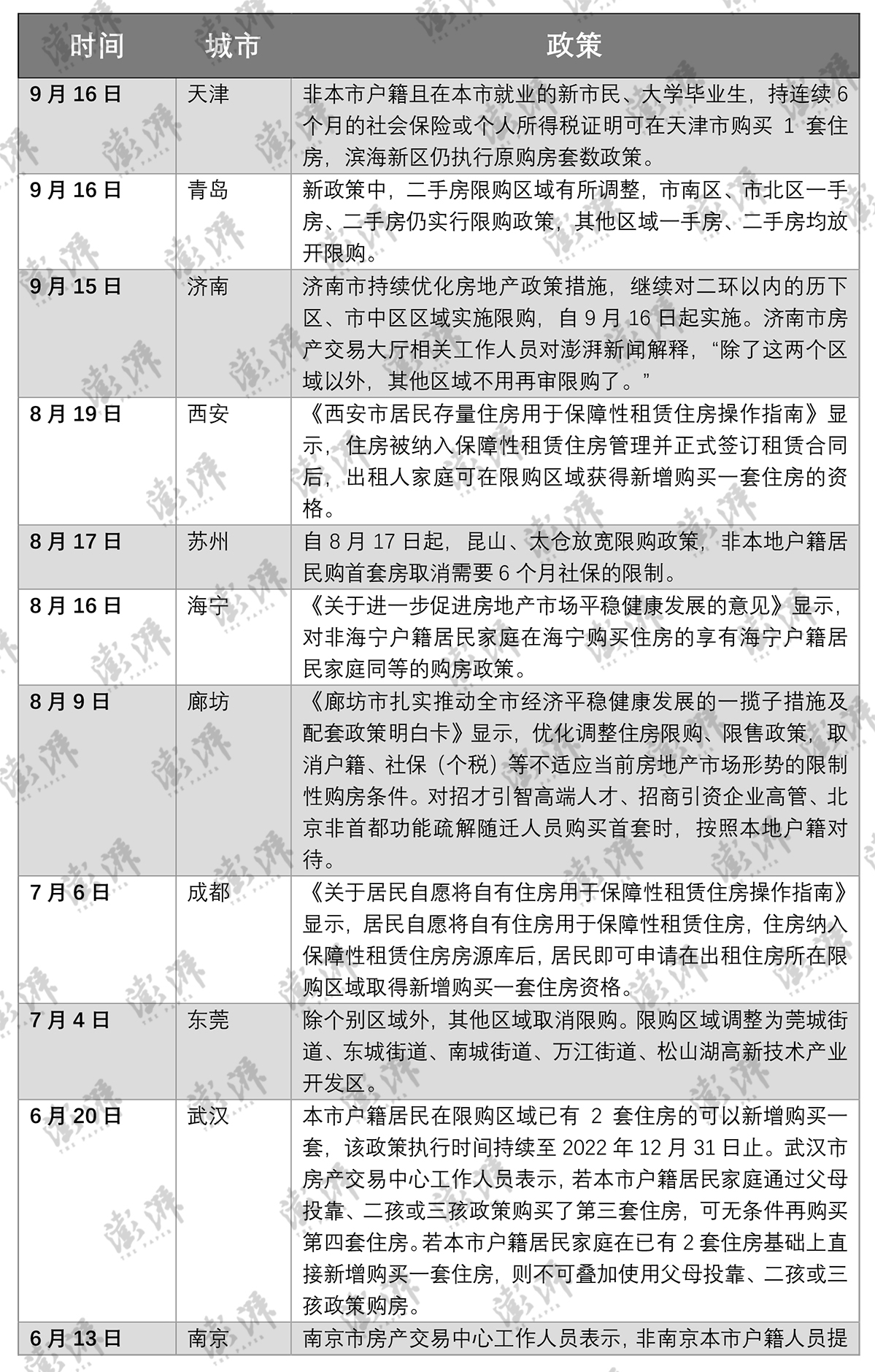
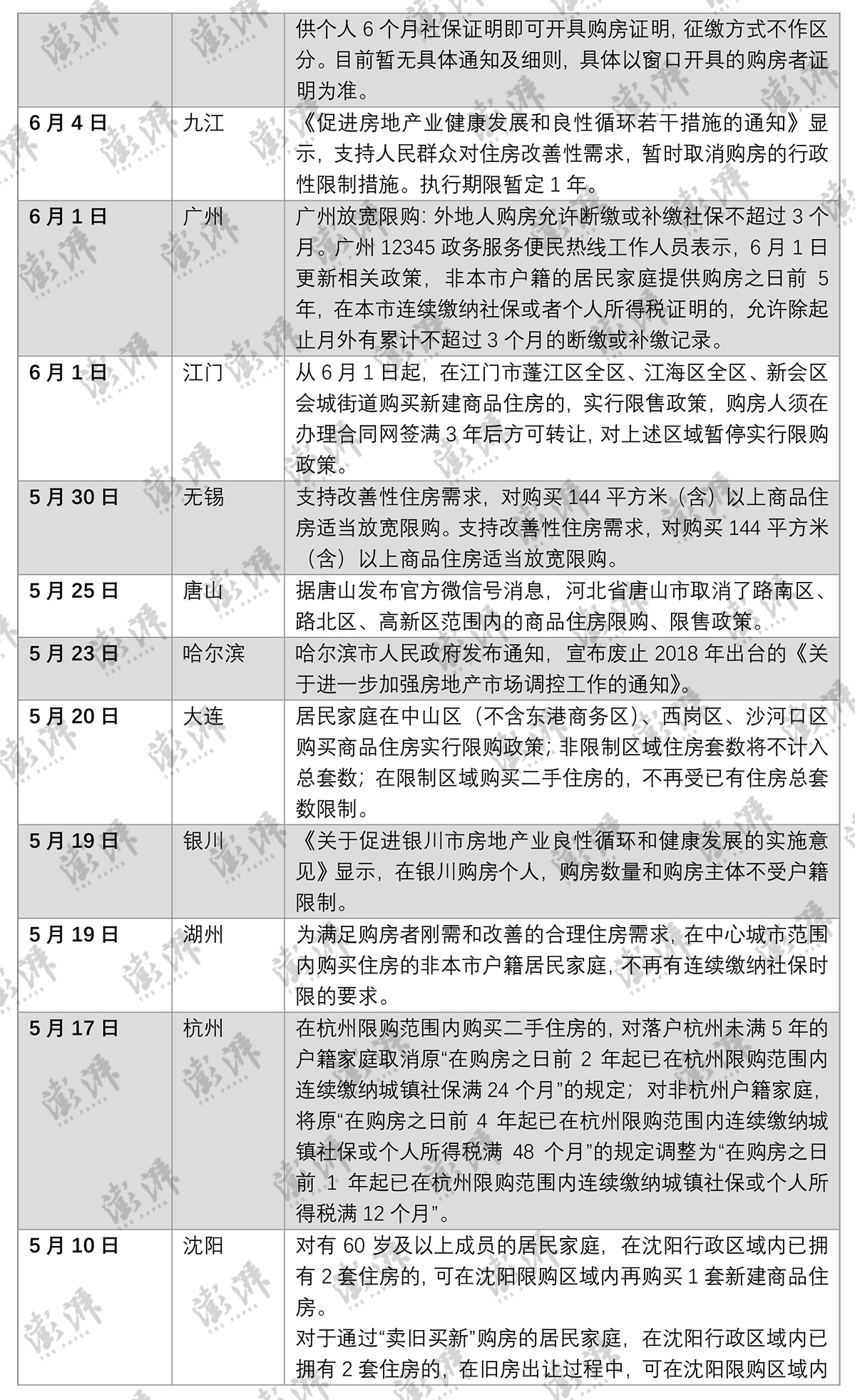
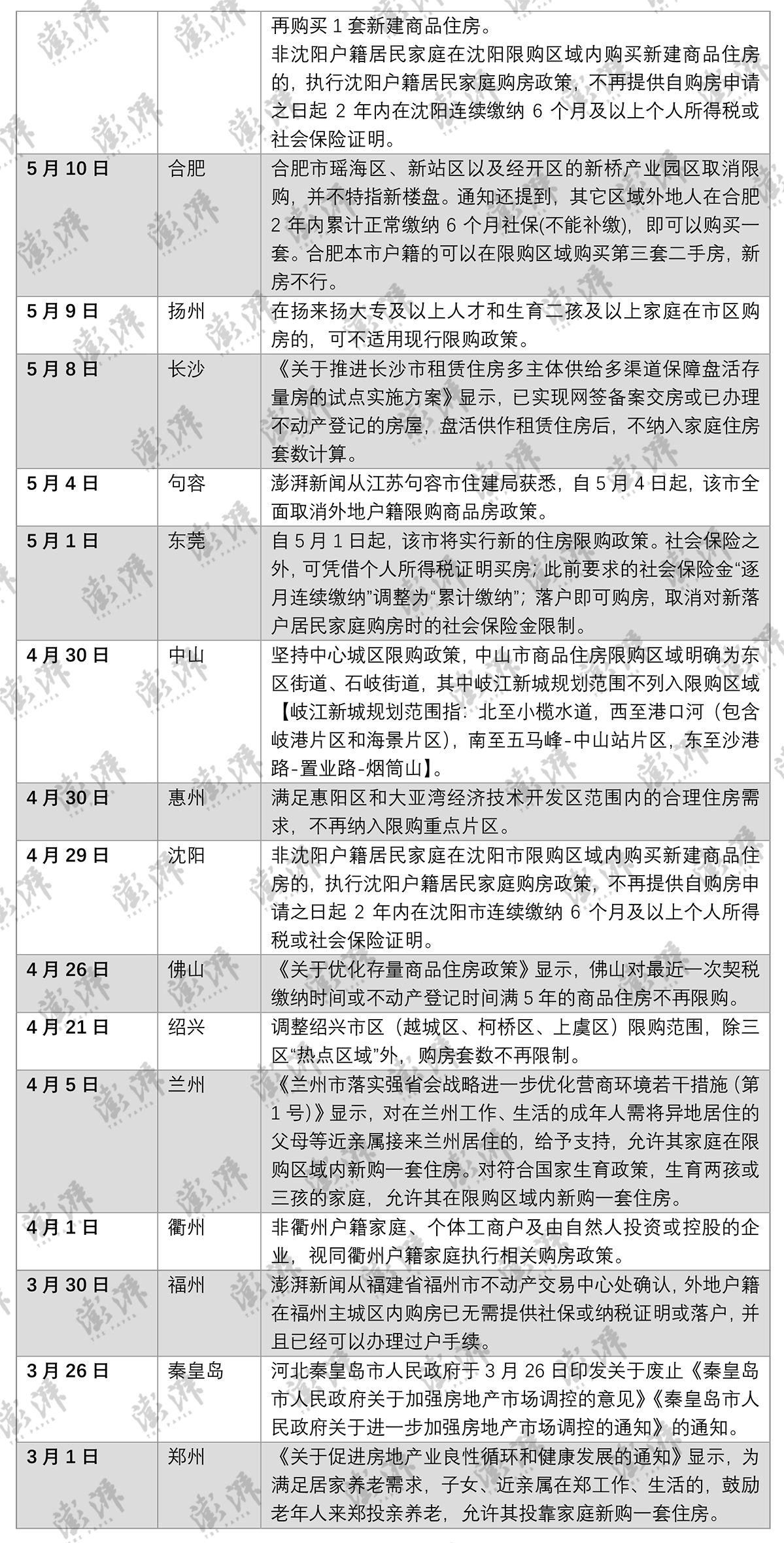
This year, over 30 cities have adjusted the property market purchase restriction policy: "high-frequency small-step optimization" will become a feature.

  "Cancel the recognition of housing and loan" and "encourage the elderly to buy houses with relatives" …… On March 1 this year, after Zhengzhou became the first city in China to relax the purchase restriction policy, many cities followed up and adjusted the purchase restriction policy.

  Over 30 cities adjust the purchase restriction policy

  According to the incomplete statistics of The Paper, this year, it includes Zhengzhou, Qinhuangdao, Fuzhou, Quzhou, Lanzhou, Shaoxing, Foshan, Shenyang, Huizhou, Zhongshan, Dongguan, Jurong, Changsha, Yangzhou, Hefei, Shenyang, Hangzhou, Huzhou, Yinchuan, Dalian, Harbin, Tangshan, Wuxi, Jiangmen, Guangzhou, Jiujiang, Nanjing, Wuhan.

  In these cities, some announced the abolition of the original restrictive measures, some announced the narrowing of the scope of purchase restrictions, some lowered the threshold of purchase restrictions, and some cities made it clear that families with many children and relatives could increase the number of places to buy houses.

  Take Tianjin as an example. On September 16th, according to "Tianjin Housing and Urban-Rural Development", the Tianjin Municipal Housing and Urban-Rural Development Committee and other seven departments jointly issued the Notice on Further Improving the Real Estate Regulation Policy to Promote the Healthy Development of the Real Estate Industry (hereinafter referred to as the Notice). The Notice mentioned that new citizens and college graduates who are not registered in this city and are employed in this city can buy in Tianjin with social insurance or personal income tax certificates for six consecutive months.

  According to the "Implementation Opinions on Deepening the Regulation of the Real Estate Market in Tianjin" issued by Tianjin on March 31, 2017, families with non-Tianjin household registration who purchase houses in this city need to provide proof of continuous payment of social insurance or personal income tax for more than 2 years in Tianjin within 3 years.

  In terms of supporting the demand for improved housing, the Notice proposes that families with members aged 60 and above and families with many children who have two or more children can purchase another set of housing on the basis of the original housing purchase restriction policy in Tianjin with the household registration book.

  Guan Rongxue, an analyst at Zhuge Housing Data Research Center, pointed out that in the original policy, it was clear that non-Tianjin registered residents were required to provide proof of continuous payment of social insurance or personal income tax for more than two years within three years in this city, and now it is adjusted to only provide social insurance or individual income tax for six consecutive months, which lowered the threshold for buying a house; Secondly, for families with members aged 60 and above and families with many children who have two or more children, one set can be purchased, which fully considers the housing needs of different age groups and reasonably relieves the contradiction between supply and demand.

  The policy of Suzhou and Qingdao is now "one-day tour"

  However, in the above-mentioned cities that announced the adjustment of the purchase restriction policy, there have also been cases in which policies have been introduced and adjusted.

  Taking Qingdao as an example, on September 15th, WeChat official account, the official WeChat of Qingdao Urban and Rural Construction Bureau, released "Dynamic Improvement of Real Estate Policy in Qingdao". The New Deal is clear, and the purchase restriction policy will continue to be implemented in Shinan District and Shibei District (except the original Sifang District).

  At the same time, continue to clarify the purchase of housing. For new commercial housing in the restricted area, local residents are restricted to purchase 2 sets, families with two children and three children can purchase 1 set, and foreign residents can purchase 1 set after living for half a year; Second-hand housing is no longer restricted.

  However, on the same day, Qingdao Housing and Urban-Rural Development Bureau deleted the statement that "second-hand housing is no longer restricted".

  On the afternoon of September 16th, the relevant staff of Qingdao Housing and Urban-Rural Development Bureau told The Paper that in the new policy, the restricted purchase area of second-hand houses has been adjusted, and the restricted purchase policy is still implemented for first-hand houses and second-hand houses in Shinan District and Shibei District, while the restricted purchase is released for first-hand houses and second-hand houses in other areas.

  On September 14th, market news came out that Suzhou City, Jiangsu Province has made adjustments to the purchase restriction policy, and non-Suzhou local residents can directly purchase the first suite without providing proof of social security payment.

  According to the New Deal, the six districts in Suzhou (including Xiangcheng District, gusu district District, Wuzhong District, Wujiang District, Industrial Park and High-tech Zone) have adjusted the policies for foreigners to buy the first suite, and it is no longer necessary to show social security certificates or tax certificates.

  Subsequently, The Paper confirmed from the real estate departments in various districts that the above policies were indeed adjusted. However, on September 16th, The Paper learned from the real estate departments of gusu district, Xiangcheng District, Wuzhong District, High-tech Zone and Industrial Park in Suzhou City, Jiangsu Province that the purchase restriction policies of gusu district, Xiangcheng District, Wuzhong District, High-tech Zone and Industrial Park for non-registered households have been restored to the original policy, that is, the conditions for non-registered households to purchase houses are to pay social security for six consecutive months in Suzhou within three years.

  Chen Wenjing, director of market research in the Index Division of the Central Finger Research Institute, believes that under the guidance of the central government’s orientation of "housing and not speculating", the efforts of policy optimization in first-and second-tier cities are generally weak, and high-frequency small-step optimization in various places has become a major feature of real estate policy adjustment this year.

  Chen Wenjing pointed out that the recent cancellation of the purchase restriction policies in Suzhou and Qingdao has been withdrawn, which further shows that "no speculation in housing" is still the bottom line of the policies. Among all kinds of restrictive policies, the restriction on the purchase of foreign household registration is an important firewall for core cities to achieve "housing and not speculation". In the short term, it is unlikely that hot second-tier cities will completely cancel the restriction on purchases. It is expected that more cities will gradually advance by giving priority to relaxing the restrictions on purchases in suburbs. At the same time, combined with the National Standing Committee at the end of August, "Allow local &lsquo; One city, one policy &rsquo; From the expression of "flexible use of credit and other policies", it is more likely that second-tier cities will reduce the down payment ratio and optimize the "recognition of housing and loans" in the future.

  From a national perspective, Chen Xiao, a senior analyst at Zhuge Housing Search Data Research Center, pointed out that from the perspective of policy trends, policy loosening has gradually shifted from the initial stage of mild relaxation such as initial housing subsidies and relaxation of provident fund loans to a more in-depth stage, that is, the policy loosening is stronger, the coverage is deeper, and the influence is more profound. At present, many cities have released policies to loosen restrictions on purchases, including some hot second-tier cities, and the degree of loosening has gradually expanded, which will play a substantial role in boosting the property market.

  According to the monitoring data of Zhuge Housing Search Data Research Center, the sales area of new houses in 40 cities monitored in August was 14,882,000 square meters, down 10.08% from the previous month and 24.53% from the same period last year. 59,721 sets of second-hand houses were sold in 10 key cities, down 9.23% from the previous month and up 21.27% year-on-year.

[Li Xiang China] Correctly understand and grasp the socialist nature of Chinese modernization.

1661136875848

  Author: Huang Kun, Deputy Director and Professor of Chinese Modernization Research Center of the Party School of the Central Committee of the Communist Party of China (National School of Administration)

  On July 26th, 2022, General Secretary of the Supreme Leader emphasized at the seminar for leading cadres at the provincial and ministerial levels on "Learning the spirit of the important speech of General Secretary of the Supreme Leader and Meeting the 20th Party Congress" that "the modernization we are advancing is the socialist modernization led by the Communist Party of China (CPC), and we must persist in promoting the great rejuvenation of the Chinese nation with Chinese modernization", and clearly pointed out the socialist nature of Chinese modernization. Scientific understanding and grasping the socialist nature of Chinese-style modernization is of great significance to deeply understand Chinese-style modernization and ensure its stability and far-reaching development.

  Adhering to Chinese modernization to promote the great rejuvenation of the Chinese nation has made it clear that only socialism can save China and only socialism can develop China.

  Exploring the road of national rejuvenation has started since the Chinese nation faced the invasion of western powers in modern times, which is manifested in the hard exploration of utensils, systems and ideas in order to save the weak China. Due to class attributes and historical limitations, these explorations ended in failure. The real opening of the road to national rejuvenation began with the founding of the Communist Party of China (CPC) and the struggle for national independence and people’s liberation. Since its birth, the Communist Party of China (CPC) has devoted himself to the prosperity of the country, the happiness of the people and the rejuvenation of the nation. The dream of rejuvenation and modernization runs through the whole century of party history and has become the biggest theme of the Communist Party of China (CPC)’s century-long struggle.

  During the period of the new-democratic revolution, the Communist Party of China (CPC) fought for national independence and people’s liberation through arduous armed struggle, united and led the people of the whole country to overthrow the three mountains of imperialism, feudalism and bureaucratic capitalism, and established a new China, which created fundamental social conditions for realizing Chinese modernization and promoting the great rejuvenation of the Chinese nation. During the period of socialist revolution and construction, the party led the people to overcome a series of severe challenges in politics, economy and military affairs, successfully completed socialist transformation, realized the transformation from new democracy to socialism, established a brand-new socialist system with strong vitality on the ancient land of China, and laid a fundamental political premise and institutional foundation for realizing Chinese modernization and promoting the great rejuvenation of the Chinese nation. In the new era of reform, opening-up and socialist modernization, the Party United and led the whole Party and the people of all ethnic groups throughout the country, made a historic decision to shift the work center of the Party and the state to economic construction and carry out reform and opening-up, successfully created Socialism with Chinese characteristics, and provided new and energetic institutional guarantee and rapid development material conditions for realizing Chinese modernization and promoting the great rejuvenation of the Chinese nation. Since the 18th National Congress of the Communist Party of China, Socialism with Chinese characteristics has entered a new era. With great historical initiative, great political courage and strong responsibility, our party has provided a more perfect institutional guarantee, a more solid material foundation and a more active spiritual force for realizing Chinese modernization and promoting the great rejuvenation of the Chinese nation. The great rejuvenation of the Chinese nation has shown unprecedented bright prospects.

  It is through the unremitting struggle and exploration in the past century that we have found the correct way to realize the great rejuvenation of the Chinese nation, that is, the road of modernization in Socialism with Chinese characteristics and China. "Promoting the great rejuvenation of the Chinese nation with Chinese modernization" is an important experience for the success of our cause. In essence, Chinese-style modernization is socialist modernization, the concretization of Socialism with Chinese characteristics’s development path and the realistic path of the great rejuvenation of the Chinese nation. Chinese-style modernization, like Socialism with Chinese characteristics, is the inevitable result of the historical logic, theoretical logic and practical logic of China people’s long-term struggle in modern times, which has a profound historical origin and a broad realistic foundation. Historical facts show that the closed and rigid old road is a dead end, and the evil road of changing the flag is a dead end. Only the Socialism with Chinese characteristics road and the Chinese modernization road are the new road, the right road and the main road to develop and strengthen China and prosper and stabilize China. Only socialism can save China and only socialism can develop China. Socialism with Chinese characteristics and Chinese modernization not only point out the direction for realizing the Chinese dream of national rejuvenation, but also provide the fundamental guarantee for realizing the Chinese dream of national rejuvenation. The great practice of modernization in Socialism with Chinese characteristics and China has not only enabled our country to develop rapidly, improved the living standards of our people, and enabled the Chinese nation to catch up with the trend of the times and usher in the bright future of great rejuvenation, but also enabled the people of China and the Chinese nation to make great contributions to world peace and development. As it turns out,To build a powerful socialist modernization country in an all-round way and realize the great rejuvenation of the Chinese nation, we must unswervingly adhere to and develop Socialism with Chinese characteristics and Chinese modernization.

  Adhere to the leadership of the Communist Party of China (CPC), and clarify the essential characteristics and fundamental guarantee of Chinese modernization.

  The party’s leadership is the root and lifeline of the party and the country, and it is the interest and destiny of the people of all ethnic groups in the country. The Communist Party of China (CPC)’s leadership is the most essential feature of Socialism with Chinese characteristics, and it is also the most essential feature of Chinese modernization. Adhering to the party’s leadership over Chinese modernization is fundamentally related to the future and destiny of Chinese modernization and the fundamental guarantee for Chinese modernization to adhere to the socialist direction.

  Chinese-style modernization is a modernization with a specific development process, stages and social attributes, which is different from both western developed countries and other developing countries. Its task is more arduous, its course is more complicated and its nature is more special. From the development process, Chinese modernization is a "parallel" modernization. Different from the "series" modernization development process in western developed countries, industrialization, urbanization, agricultural modernization and informatization develop in sequence, while China’s modernization is the "parallel" superposition development of industrialization, informatization, urbanization and agricultural modernization, with multiple modernization processes developing in coordination and multiple modernization goals being realized simultaneously. From the development stage, Chinese modernization is catch-up modernization. As a developing country, China’s modernization was launched only after the success of modernization in developed countries. The problems it encountered were very different from the international environment, and even faced with the obstruction and containment of developed countries. The tasks it faced were more arduous and special, and the development environment was more complicated and uncertain. In particular, the world today is experiencing a great change that has never happened in a hundred years. China’s socialist modernization is facing a more severe domestic and international situation, and the risks and challenges are obviously increasing. From the perspective of social attributes, Chinese modernization is socialist modernization. The nature of socialism is the most remarkable and fundamental social attribute that China’s modernization is different from the western modernization.China’s socialist modernization can’t follow the modernization road of western developed countries’ internal oppression and exploitation, foreign aggression and plunder, and create an unequal international political and economic order. Instead, it puts more emphasis on the people-centered development thought and the international relations concept of the community of human destiny, and embarks on a socialist modernization road with China characteristics.

  The essential requirements of Socialism with Chinese characteristics and the unique and arduous modernization of China make it particularly important to uphold the leadership of the Party. We must uphold and strengthen the Party’s overall leadership, lead the way for China’s modernization, create a stable and United political situation, maintain the stability and continuity of the country’s major policies, mobilize the people’s enthusiasm and creativity in participating in national construction and governance, and concentrate the strength of the whole party and society to continue their struggle to realize the Chinese dream of becoming a socialist modernization power and the great rejuvenation of the Chinese nation.

  Adhere to the fundamental purpose of people first, and clarify the people-centered development thought and the essential attribute of modernization with human modernization as the core.

  "China’s modernization is a modernization with a huge population and the common prosperity of all the people", which shows the socialist nature of Chinese modernization. Chinese-style modernization insists on the supremacy of the people in its fundamental purpose, people-centered in its fundamental position, constantly promoting the all-round development of people and realizing the common prosperity of all people, which embodies the essential attribute of Chinese-style modernization with human modernization as its core and the social nature of socialism.

  The supremacy of the people is a valuable experience of the Communist Party of China (CPC)’s century-long struggle, and it is the root of the great achievements of Chinese modernization. The foundation of Chinese modernization lies in the people, the subject lies in the people and the strength lies in the people. Chinese modernization always insists on development for the people, development depends on the people, and development results are shared by the people. General Secretary of the Supreme Leader pointed out: "The people are both creators and witnesses of history, and they are both historical &lsquo; People in the play &rsquo; And historical &lsquo; The playwright &rsquo; " . The Communist Party of China (CPC)’s revolution, construction and reform are all realized in the process of maintaining flesh-and-blood ties with the people and relying on them closely. The people are the main body and source of strength for Chinese modernization. The Fifth Plenary Session of the 18th CPC Central Committee clearly put forward that we should adhere to the people-centered development thought, and take enhancing people’s well-being, promoting people’s all-round development and making steady progress towards common prosperity as the starting point and the end result of economic development. Chinese modernization takes the people as the center, emphasizes the people’s position, and always puts the promotion of people’s free and all-round development in the primary position of modernization, which is the most fundamental value orientation of Chinese modernization.

  Chinese modernization emphasizes the people’s stand and adheres to the people-centered development thought, which fundamentally opens up the consistency between human modernization and the fundamental purpose of people first. Marxism holds that man is the main body of social practice, which is shaped by the real society and realizes his own development in promoting social progress. What kind of modernization to build and what kind of goals to achieve are determined by people. The overall modernization of society cannot be separated from the modernization of people, who is the core content of the overall modernization of society. People are not only the subject of modernization practice, but also the subject of modernization value and the ultimate goal of modernization. The practice of world modernization proves that human modernization is more important than material modernization. Once people’s modernization is ignored or hesitated or lagged behind on this issue, it will inevitably bring great harm and disaster. Socialism with Chinese characteristics, not only bears the heavy responsibility of the times for the overall modernization of society, but also bears the historical mission of continuously promoting human modernization and promoting human all-round development. Comrade Supreme Leader wrote in Zhijiang Xinyu: "People are essentially cultural people, not &lsquo; Materialization &rsquo; People; Is a dynamic and comprehensive person, not a rigid, &lsquo; One-dimensional &rsquo; People. " The value pursuit of the people’s subject established by Chinese modernization is essentially the same as Marx’s theory of all-round development of human beings, which is a reaffirmation and creative development of the proletarian as the subject of liberation.It is also a vivid embodiment of our party’s fundamental purpose of serving the people wholeheartedly.

  Adhere to Socialism with Chinese characteristics’s fundamental system, basic system and important system, and clarify the institutional guarantee and institutional advantages of Chinese modernization.

  Socialism with Chinese characteristics system is a scientific system composed of fundamental system, basic system and important system, and it is the most important system regulation, system guarantee and system advantage of Chinese modernization. Socialism with Chinese characteristics’s fundamental system includes the fundamental system of the Party’s leadership, the fundamental system of the people’s democratic dictatorship, the fundamental system of the people’s congresses, the fundamental system of Marxism’s guiding position in the ideological field, and the fundamental system of the Party’s absolute leadership over the people’s army. It plays a "main beam" and "pillar" role in China’s national system and national governance system, and fundamentally embodies Socialism with Chinese characteristics’s institutional advantages. Socialism with Chinese characteristics’s basic systems are those that embody the socialist nature of our country, stipulate the basic principles of the country’s political life and economic life, and have a great influence on the country’s economic and social development. Socialism with Chinese characteristics’s important system is the subjective system of state governance in all fields derived from Socialism with Chinese characteristics’s fundamental system and Socialism with Chinese characteristics’s fundamental system. Specifically, it is the subjective system of legal rule, administrative management, cultural construction, people’s livelihood security, social governance, ecological civilization, "one country, two systems", foreign affairs, party and state supervision and so on. These fundamental systems, basic systems and important systems are the institutional guarantee and obvious institutional advantages of Chinese modernization.It is the fundamental reason why Chinese modernization has maintained its socialist nature and made great achievements.

  After more than 70 years of rich practice in New China, the Party led the people to create and develop the Socialism with Chinese characteristics system. Since the 18th CPC National Congress, Socialism with Chinese characteristics’s system has been further consolidated and improved, and Socialism with Chinese characteristics’s institutional advantages have been further highlighted and strengthened. The historical achievements of the founding of New China for more than 70 years fully prove that the Socialism with Chinese characteristics system is the fundamental guarantee for the great achievements of Chinese modernization. Socialism with Chinese characteristics system is a scientific system formed by the Party and the people in the long-term practice and exploration. It not only reflects the historical achievements made by the Communist Party of China (CPC) in establishing and perfecting the socialist system, forming and developing various systems, but also reflects that since the founding of New China for more than 70 years, our Party has been able to unite and lead the people to promote and expand Chinese modernization, lay a material foundation for the great rejuvenation of the Chinese nation, generate spiritual strength, create social conditions, and usher in a period from standing up to becoming rich and strong. To take the new journey of building a socialist modern country in an all-round way and achieve the goal of the second century as scheduled, we must strengthen the linkage between the fundamental system, the basic system and the important system, promote the Socialism with Chinese characteristics system to be more mature and stereotyped, continuously inject new kinetic energy into Chinese modernization, and promote Chinese modernization with efficient state governance.

  Adhere to the global vision of the new form of human civilization, and clarify the epoch-making significance of Chinese modernization in the history of China modernization, world modernization, world socialist development and human civilization development.

  Chinese-style modernization is a great change in the continuation, iteration and innovation of civilization. It not only depicts the special law of the continuation of Chinese civilization for 5,000 years, but also explores the universal law of the revival of human civilization, especially in developing countries, and the universal pattern of exchanges and mutual learning between different civilizations in the same time and space environment, creating a new form of human civilization, showing Socialism with Chinese characteristics’s remarkable advantages and strong vitality, and fundamentally surpassing the "clash of civilizations" and "western-centered theory" and.

  On the one hand, Chinese-style modernization is the independent road of the nation-state. No nation or country in human history can achieve modernization by relying on external forces, copying foreign models and following others. Chinese-style modernization insists on putting the development of the country and the nation on the basis of its own strength, firmly holding the destiny of China’s development and progress in its own hands, and always proceeding from China’s national conditions, exploring and forming the correct road in line with China’s reality.

  On the other hand, Chinese modernization is an open and inclusive modernization rather than a closed and exclusive modernization, which shows the openness and cosmopolitan nature of civilization. Chinese modernization takes socialism as its essential attribute, takes the common values of peace, development, fairness, justice, democracy and freedom as its value orientation, and adheres to the basic concepts of win-win cooperation and mutual benefit. It is firmly rooted in the soil of China, based on the logic of Chinese civilization development, and firmly follows the law of modern civilization construction. On the basis of conforming to the development trend of the times, it insists on exchanges and mutual learning among civilizations, finds consensus in exchanges, realizes development in mutual learning, and shows a distinct openness.

  Chinese modernization, based on China’s basic national conditions and development practice, conforms to the development trend of the times, opens a successful path for the great rejuvenation of the Chinese nation, transcends the logic of western modernity, breaks the uniqueness of western modernization model, drives developing countries to realize "group rise", promotes the image of socialism and promotes the progress of human civilization, which is of great significance in the history of China modernization, world modernization, world socialism development and human civilization development. In the history of China’s modernization, the Chinese-style modernization road has solved the perplexed and tortuous problem of China’s modernization road since modern times, and combined Socialism with Chinese characteristics with the Chinese-style modernization road, the great rejuvenation of the Chinese nation has shown an unprecedented bright future. In the history of world modernization, the Chinese modernization road has surpassed the western modernization model, provided a new choice different from the western modernization model, and opened up a new road for developing countries to modernize. In the history of world socialist development, the Chinese-style modernization road has overcome the defects of the traditional socialist model, opened up a new realm of socialist modernization road, and made it possible for socialism to revive, prosper and develop continuously in the world. In the history of human civilization development, Chinese-style modernization road has made new contributions to human exploration of modernization road, created new forms of human modern civilization, and demonstrated the diversity of human civilization development.

Thought it was excessive internal heat, it turned out to be Guangdong cancer, and its pathogenic virus infected more than 90% people.

Guangdong, a place easy to get angry.

For Cantonese people,

If you have a nosebleed

Nine times out of ten, it is getting angry.

Especially now when the weather is dry and things are dry.

Cantonese will remind you to drink herbal tea at once.

If there is a long-term nosebleed,

And it’s when there’s blood in the tears

We are about to start to be vigilant.

This could beGuangdong cancer!

nasal pharyngeal cancerIt is a malignant tumor located in the nasopharynx, also known asGuangdong cancerAccording to the statistics of the World Health Organization, there are80%Nasopharyngeal carcinoma (NPC) occurred in China, especially in Guangdong. The cancer detection data of our province released by Guangdong Provincial Center for Disease Control and Prevention in 2019 shows that at present, nasopharyngeal carcinoma ranks eighth among residents in Guangdong Province, with an incidence rate of 14.84/100,000.Far higher than the national average.

Speaking of nasopharyngeal carcinoma,

I have to mention

Epstein-Barr virus closely related to nasopharyngeal carcinoma

"Reasonable Inspection" Series No.twenty-eightperiod

Let’s have a chat.

Nasopharyngeal carcinoma and EB virus

epstein barr virus

"Good friend" of nasopharyngeal carcinoma, EB virus

Epstein-Barr virus is considered to be the strongest pathogenic factor of nasopharyngeal carcinoma at present. Epstein-Barr virus (EB virus) is one of the most widely infected herpes viruses. It is highly contagious and can be spread through droplets, kissing, sharing tableware and other behaviors, as well as through blood and semen during sexual contact, blood transfusion and organ transplantation. Epstein-Barr virus infection is very common in normal people. It is reported that more than 90% people have been infected with Epstein-Barr virus, and once infected, the antibody of Epstein-Barr virus will be carried for life.

Note: Autumn is the high incidence period of EB virus infection, so try to avoid going to crowded places to avoid cross-infection. Wear a mask when going out and take protective measures.

Then the problem is coming.

EB virus positive = nasopharyngeal carcinoma?

Epstein-Barr virus detection usually includes early antigen IgA antibody detection of Epstein-Barr virus, Rta-IgG detection of Epstein-Barr virus, and qualitative detection of Epstein-Barr virus DNA.

When EB virus antibody is positive, nasopharyngeal carcinoma can not be diagnosed. More than 90% of adults have been infected with EB virus, and only about 3%-10% of people with EB virus antibody positive will turn into nasopharyngeal carcinoma patients, indicating that the occurrence of tumors is not caused by EB virus alone, but by genetic and environmental factors.

(Source: Healthy Guangdong)

Don’t panic when you find EB virus positive in physical examination. Consult your doctor as soon as possible. The doctor can judge whether you are a high-risk patient by asking about your place of origin, family history, living habits and whether you have symptoms. According to the doctor’s advice, you may have an imaging examination for further confirmation. The 5-year survival rate of early nasopharyngeal carcinoma can reach 97%, so early detection is very important!

Epstein-Barr virus is indeed closely related to nasopharyngeal carcinoma. Accurately speaking, Epstein-Barr virus is a related substance of nasopharyngeal carcinoma, not a marker of nasopharyngeal carcinoma.

epstein barr virus

If you have the following symptoms, you should be alert to nasopharyngeal carcinoma.

VCA-lgA titer ≥ 1: 80;

All the EB virus indexes were positive;

Check the EB virus index, any one continues to rise.

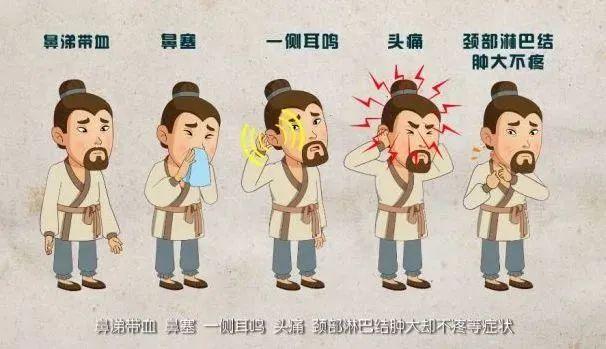
When EB virus is positive, nasal congestion occurs; Reflux nasal discharge with blood; Vision loss and ghosting; Cervical lymph node enlargement; Ear buzzing and hearing loss; Headache; Facial numbness, etc., need more attention.

(Source: Healthy Guangdong)

epstein barr virus

What are the high risk factors for nasopharyngeal carcinoma?

At present, the pathogenic factors of nasopharyngeal carcinoma are not clear, except EB virus infection, which may be related to genetic factors, environmental factors, dietary factors and other factors.

01

Gender:

Nasopharyngeal carcinoma is more common in male population, which is 2~3 times higher than that in female.

02

Race:

Nasopharyngeal carcinoma is common in China, Southeast Asia and parts of North Africa. Inuit people also have a higher risk of nasopharyngeal carcinoma than other ethnic groups.

03

Region:

Guangdong, Guangxi, Fujian, Hunan, Jiangxi and other places in South China and East China belong to areas with high incidence of nasopharyngeal carcinoma, among whichPearl River DeltaThe area is particularly obvious.

04

Age:

May occur in any age group, butMostly in 30~50 years old..

(Source: Healthy Guangdong)

05

Diet:

Love foodPreserved foodSome people will also increase the incidence of nasopharyngeal carcinoma. Pickled food contains a lot ofAmmonium nitrite compoundLong-term intake can increase the incidence of nasopharyngeal carcinoma by 2~7 times.

06

Alcohol and tobacco:

manysmokeanddrink wine/alcoholIt will also increase the risk.

07

History of sinusitis and family history:

If someone in the family suffers from nasopharyngeal carcinoma, especiallydirect relativeThe risk of illness will also increase.

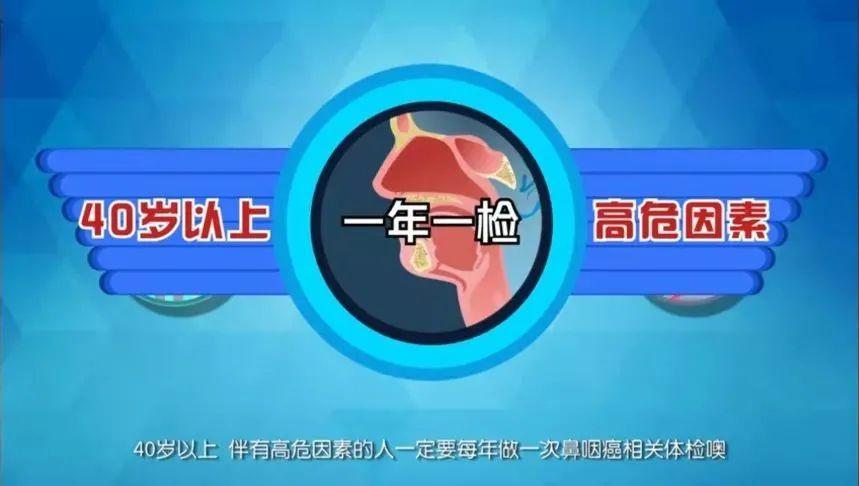
People who meet one or more of the above conditions are at high risk of nasopharyngeal carcinoma, so it is necessary to screen nasopharyngeal carcinoma.

epstein barr virus

Prevention: early detection+self-discipline is the key!

How to prevent nasopharyngeal carcinoma?

Quit smoking and drinking, eat less pickled food;

● Epstein-Barr virus is mainly transmitted through saliva, and infants should not be fed mouth to mouth;

● Maintain good hygiene habits: wash your hands before meals, do not spit everywhere, and advocate the use of public chopsticks;

● If you get up every day and find that you often have a runny nose and are accompanied by bloodshot or bleeding symptoms, you must be vigilant;

(Source: Healthy Guangdong)

● In areas with high incidence of nasopharyngeal carcinoma, people with family history of nasopharyngeal carcinoma, and middle-aged and elderly people, EB virus detection should be taken as a necessary item for physical examination.

reference data

What the hell is EB virus?

https://mp.weixin.qq.com/s/I3I9u_1fsRufBIszp8OoEw

EB virus positive = nasopharyngeal carcinoma?

https://mp.weixin.qq.com/s/Z7iweJudIY9U_35Wla2Rkg

Health Science | Did you "catch" nasopharyngeal carcinoma when the physical examination found that "EB virus" was positive?

https://mp.weixin.qq.com/s/ygn4166PoefdHYrVFwHyrQ

Epstein-Barr virus positive means "Guangdong cancer"? Pay more attention to these daily situations!

https://mp.weixin.qq.com/s/6GB99I0DGXc1eX6YOEvl2A

Nosebleeds, tinnitus, neck mass, beware of "Guangdong cancer"

https://mp.weixin.qq.com/s/_YAKZlbGjfLyxNSHpfRH5w

Source | First Health Group

Editing | First Health Group

Please contact First Health Group for reprinting.

1. Cold and painful joints have nothing to do with "wind" and "wet", but it is actually caused by it.

2, 34 years old, advanced colorectal cancer! I had blood in my stool and thought it was hemorrhoids.

3, sedentary, staying up late, stressful, more than 2 million young people have a stroke every year! How does it haunt young people?

The list of wildlife protection is updated, and a large number of familiar fish and snakes are included in daily life.

  Pangolin will be "short-listed" in the newly compiled List of National Key Protected Wild Animals without any suspense. Photo by Jiang Zhigang

  Moose photographed in the wild in Altai Mountain. It is the largest deer in the world. Its protection level will be raised to the first level. Institute of Zoology,Chinese Academy of Sciences

  Qingdao lily, also known as Laoshan lily, is a perennial monocotyledonous herb, native to Shandong Province, and is a newly added second-class protected species.

  Paphiopedilum Malipo is a newly recorded first-class protected species. institute of botany,the chinese academy of sciences

  A few days ago, the newly compiled List of National Key Protected Wild Animals (hereinafter referred to as the List of Animals) and List of National Key Protected Wild Plants (hereinafter referred to as the List of Plants) began to be publicized to the whole society and solicited opinions.

  Scientists believe that biodiversity includes animals, plants, microorganisms, ecosystems and their ecological processes, among which animals and plants are the most important part of the biological world and have the closest relationship with human beings. The protection of wild animals and plants is the basis of maintaining biodiversity and ecological balance, and is also closely related to the declaration of world heritage and the establishment of national parks, nature reserves and scenic spots.

  The number of listed species has increased significantly.

  "Overall, the updating of the directory will have a far-reaching impact on the protection of endangered wild animals and plants in China, and will also be conducive to the country’s ecological protection, biodiversity protection, heritage site protection and the restoration of the national ecological environment." Jiang Zhigang, a researcher at the Institute of Zoology, Chinese Academy of Sciences, participated in the research on mammals in the Catalogue of Animals. He said that the country’s work of updating the list of animals and plants has condensed brand-new scientific and technological wisdom. Scientific and technological workers absorb the latest zoological knowledge and research results at home and abroad, and comprehensively consider the living conditions, endangered conditions, protection levels and management needs of species; The opinions of experts, managers and the public were also widely solicited.

  The Animal Catalogue for this consultation involves 661 species of wild animals in 17 classes and 70 orders, which is more than twice as many as the first edition in 1989. "Scientists generally believe that the current endangered situation of species is still serious, and more and more species need to be protected. The main influencing factors are the change of species’ living conditions, endangered status, management needs and international factors. Recently, it was affected by the COVID-19 epidemic. " By clarifying the protection level of wild animals again, we are actually re-examining the relationship between people and wild animals. Jiang Zhigang thinks so.

  The newly compiled Catalogue of Plants contains 468 species and 25 species of wild plants. On the basis of the first batch of Catalogue of Plants, 55 species were deleted and 296 species and 17 species were added. The number of species listed in the two lists has increased significantly compared with before.

  Dr. Qin Haining from Institute of Botany, Chinese Academy of Sciences, has been involved in the tracking and revision of the Catalogue of Plants since it was first published in China in 1999. He said that the number of species newly compiled in the Catalogue of Plants has nearly doubled compared with before. "When the first batch of Plant Catalogue was published in 1999, many plant groups with high economic value and serious resource destruction were not included for various reasons. For example, Orchidaceae, Peony and Ginseng were not added until this time. " He emphasized that in recent years, the state has obviously strengthened the protection of the natural environment and enhanced its emphasis on ecological concepts; In addition, after the COVID-19 epidemic, the whole society paid more attention to animal and plant protection &hellip; &hellip; These social development backgrounds have given a "green light" to the expansion and publication of the directory.

  Respond to the global protection goal

  On July 9th, while the newly compiled Catalogue of Plants was publicly solicited for comments, the World Conservation Union (IUCN) also updated the latest data in 2020 for the IUCN Global Red List of Threatened Species (hereinafter referred to as the IUCN Red List).

  Qin Haining believes that the purpose of compiling these "lists" is to show the endangered status of species, provide a basis for the government to formulate protection policies, and attract public attention. In the process of updating the Catalogue of Plants, we not only refer to the management effect and growth and decline of protected species in China for more than 20 years, but also refer to the list of plants that should be given priority and priority protection listed in the Red List of IUCN and the Red List of Biodiversity in China compiled by China. However, these directories have their own characteristics. IUCN Red List and China Biodiversity Red List are expert systems compiled according to international common standards, which encourage "all assessments should be made". Only some species in the list are endangered. For example, the Red List of Biodiversity in China &mdash; &mdash; Volume of Higher Plants has assessed more than 34,000 species of plants in China, of which only 3,700 species are "threatened", accounting for about 11%. The Catalogue of Animals and the Catalogue of Plants are issued by the government and provide legal protection. The red list ranks the degree of endangerment in the first place; The protection list first considers the values of economy, scientific research and ecological culture.

  In December 2019, the Ministry of Natural Resources became a national member representative of the World Conservation Union (IUCN).

  "The state is the subject of threatened species protection. &lsquo; Red List of National Endangered Species &rsquo; It reflects the living conditions of this species in this country, "Jiang Zhigang said: For example, moose has a large population and wide distribution in North America and Europe, and was rated as" non-dangerous "by the IUCN Red List. But it is completely different in China, which is only distributed in Aershan and Daxing ‘anling, so it was rated as "extremely dangerous" by the Red List of Biodiversity in China. This provides an important basis for China to formulate protection countermeasures.

  It is of great significance to the development of natural heritage.

  Experts agree that the gradual implementation of the newly compiled Catalogue of Animals and Catalogue of Plants is an important event for biodiversity protection in China and an important embodiment of the country’s emphasis on ecological civilization construction.

  Jiang Zhigang explained that the updating process of Animal Catalogue and Plant Catalogue is that the state constantly confirms and reminds people in the form of laws and regulations to restrain people’s behavior in nature reserves. "This will definitely have a positive impact on the protection of the world natural heritage." Qin Haining added: "When we talk about biodiversity in the world natural heritage standards, we will mention the quantity and value of endemic, endangered and protected species. 50% of the wild plants in China and 60% of the species on the protection list are endemic to China, which means that they are unique resources in the world. Therefore, protecting biodiversity in China means protecting global biodiversity. Therefore, the promotion of the new catalogue is conducive to the declaration of new heritage sites and the protection of the original natural heritage sites. "

  After the formal promulgation and implementation, the relevant management and law enforcement departments will implement protection measures according to the two new catalogues, delimit new protected areas, and use this as a basis to approve projects related to biodiversity protection and control exports. Qin Haining believes that the protection of animal and plant species still needs to be combined with the protection of ecosystems to produce the best results. He believes that after the official publication of the directory, the state needs to start supporting protection measures as soon as possible, and the management department should establish a long-term tracking and updating mechanism, such as formulating the principle of updating and withdrawing the directory, and regularly updating it every once in a while.

  Extended reading

  In the Catalogue of Animals for public consultation, giant pandas, red-crowned cranes, tigers, leopards and snow leopards are still under first-class protection. The familiar Tibetan antelope, Tibetan wild donkey and python are reduced to secondary protection. In addition, snakes and fish that were common in the wild were included in a large number this time. Among them, 20 species of Serpentidae are newly listed in the list, and the protection levels of Jinggangshan Ridge Snake, Sansuo Snake, Xizang Hot Spring Snake, Sichuan Hot Spring Snake and Shangri-La Hot Spring Snake are all Grade I; 29 species of CYPRINIDAE were newly listed, among which tong yu in the north and tong yu in the wild round mouth were added as the first-class protected species.

  (The photos in this article are from the Internet except the signature)

TEPCO: The bottom of the reactor pressure vessel of Unit 1 of Fukushima Daiichi Nuclear Power Plant may be perforated.

  Recently, Tokyo Electric Power Company of Japan conducted an internal investigation on the reactor containment of Unit 1 of Fukushima Daiichi Nuclear Power Plant, and thought that the "control rod drive mechanism" at the bottom of the reactor pressure vessel might partially fall off and cause perforation at the bottom of the vessel.

  Japan’s Kyodo News reported on the 16th that the investigation of TEPCO was carried out from March 28th to 31st, and the company put underwater robots into the containment of stagnant water. When the camera is used to photograph the surroundings, there is a space where no image is displayed, which is said to mean that the bottom of the pressure vessel is perforated. The attached blocks are considered as fuel fragments, which strongly interfere with the captured images and may have a high radiation around them. Blocks suspected of molten nuclear fuel (fuel fragments) are attached to the inner wall of the pressure vessel base. According to the analysis of TEPCO, "the heat of fuel fragments leads to the perforation of pressure vessels".

  According to TEPCO, the control rod drive mechanism is a device that lifts the control rod from the lower side of the pressure vessel to adjust the output power of the reactor. At present, the tubular rod bundle about 4 meters long is lower than the normal position, and part of it falls to the bottom of the containment.

Summary of Science: What is Science of Science?

Original KATY B?RNER and other intelligence clubs.
introduction

With the progress of science, the research on citation network, research results, science policy and so on has attracted more and more attention, and gradually formed an interdisciplinary subject-the Science of Science. In 2018, many scholars led by Albert-László Barabási, a network scientist, published a heavy review in Science, which comprehensively introduced this "high-level discipline" from the interdisciplinary methods of scientology and the guidance of scientology to improve scientific research productivity.

Santo Fortunato, Carl T. Bergstrom, Katy Brner et al | Author

Chen Xi |

Cui Haochuan | proofreading

Wangyi Lin, Deng Yixue | Editor

catalogue

I. Structure Summary

1. Background

2. Progress

Step 3 look ahead

Second, the text

1. Summary

2. A network of scientists, scientific research institutions and scientific research ideas.

3. Selection of research questions

4. Innovation

5. Dynamics of scientists’ academic career

6. Team research

7. The dynamics behind the cited quantity

8. Outlook

Attachment: References

I. Structure Summary

1. Background

Nowadays, with the increasing digital access to the whole process of scientific research, including scientific research fund support, academic production, scientist cooperation, citation of articles and career movement of scientists, people have gained unprecedented opportunities to explore the structure and development of science. The science of science (hereinafter abbreviated as SciSci) provides a quantitative understanding of the interaction between scientific units with different space and time scales: it allows us to understand the conditions behind "creativity" and the process of scientific discovery, and its ultimate goal is to develop a series of policies and tools that can accelerate scientific research.

In the past ten years, science of science has attracted scientists from natural, computer and sociological research backgrounds. Together, they built scientific research big data for empirical analysis and generation model research to capture the productivity behind science and the development and changes of practitioners. Scientology hopes to understand and promote various factors in scientific research more deeply, so as to solve environmental, social and technical problems more effectively.

Science can be regarded as an expanding and evolving network of ideas, scholars and papers. Science of science explores the universal laws of universal or specific fields based on scientific structure and dynamics.

2. Progress

Science can be described as a complex, self-organizing and evolving network. It consists of scholars, papers and ideas. This method of describing the problem explains many potential models, for example, the study of cooperative networks and the study of citation networks explain the birth of new disciplines and the birth of major discoveries. The microscopic model tracks the dynamics of citation accumulation, which enables us to predict the influence of a single paper in the future.

Scientology reveals the choices and trade-offs that scientists face in expanding their careers and scientific horizons. For example, the analysis shows that scholars don’t like risks and prefer to study topics related to their current professional knowledge, which limits their potential for future discovery. Those who are willing to break this pattern will engage in higher-risk careers, but they are more likely to make major breakthroughs.

In a word, the most innovative science is based on the traditional combination of disciplines, but this combination is often unprecedented. Finally, with the shift of research work from individuals to teams, scientology pays more and more attention to the influence and significance of teams in scientific research. Some studies have found that revolutionary ideas are usually born in small teams. In contrast, large teams tend to advance research in frontier areas and gain high but usually short-term influence.

Step 3 look ahead

Scientology provides a quantitative understanding of the structural framework among scientists, research institutions and ideas. It helps to identify the basic mechanism behind scientific discovery. These interdisciplinary data-driven contents supplement the contents of scientometrics and related fields such as economics and sociology of science.

Although scientology is eager for long-term universal laws and mechanisms applicable to all scientific fields, it first needs to face the inevitable differences in culture, habits and preferences between different fields and countries. This change makes it difficult to understand some cross-disciplinary opinions and implement relevant scientific policies. The differences between scientific research problems and data are generally related to the field, which also implies that the research of science of science will change accordingly in the future because of "subject characteristics"

Densification of scientific boundaries is also a signal of interdisciplinary exploration, integration and innovation.

Second, the text

1. Summary

Identifying the driving force behind scientific development and constructing a model that can capture scientific development can guide people to design policies to promote scientific progress. For example, by strengthening the policy design of scientists’ career path, better scientific performance evaluation, more effective funding design, and even identifying the frontier research that will be born. Scientology uses large-scale data about scientific production to find the laws and patterns of universal and specific disciplines. Here, we review the latest development of the interdisciplinary field of science of science.

A large number of digital data about academic output provide an unprecedented opportunity for exploring the model to characterize the structure and evolution of science. Scientology puts the process of scientific development under a microscope and has a quantitative understanding of the origin of scientific discovery, creativity and practice. It can develop tools and policies to accelerate scientific progress.

The emergence of scientology is driven by two key factors.

The first is the availability of data. In addition to the proprietary Web of Science(WoS), it is the first citation index with a long history, and there are many data sources today (Scopus, PubMed, Google Scholar, Microsoft Academic, US Patent and Trademark Office, etc.). Some of these sources are provided free of charge, covering millions of data points related to scientists and their achievements, which come from all walks of life, north and south.

Secondly, scientology benefited from the influx and cooperation of natural, computational and social scientists, who developed data-based tools to enable key tests to run on generative models, aiming at revealing the phenomena discovered by science, their internal mechanisms and driving forces.

One of the highlights of this emerging field is the process of breaking the boundaries of disciplines. Scientology integrates research findings and theories from multiple disciplines and uses a wide range of data and methods.

From scientometrics, I learned the methods of analyzing and measuring large-scale data sets. From sociology of science, it learned some theoretical concepts and social processes; From innovation research, it explores ways from scientific discovery to invention and economic change.

Science of science depends on the integration of a wide range of quantitative methods, from descriptive statistics and data visualization to advanced econometric methods, network science methods, machine learning algorithms, mathematical analysis and computer simulation, including agent-based modeling.

The value proposition of scientology is based on the assumption that with the in-depth understanding of the factors behind successful scientific breakthroughs, we can grasp the scientific research progress as a whole, so as to solve social problems more effectively.

2. A network of scientists, research institutions and ideas.

Contemporary science is a dynamic system driven by the complex interaction among social structure, knowledge representa-tions and the natural world. Scientific knowledge consists of concepts and relationships in research papers, books, patents, software and other artificial products in academic fields. These contents are classified into disciplines and broader fields according to distance and closeness. These social, conceptual and material elements are interrelated through formal and informal information, ideas, scientific research practices, tools and case information flows.

Therefore, science can be described as a complex, self-organized and developing multiscale network.

Early research found that the number of scientific documents accumulated exponentially with time (2), and the number of documents would double in an average of 15 years (Figure 1). However, don’t think that scientific ideas have multiplied with the number of documents. The technology and economy of the publishing industry have also improved with time, and the production efficiency of published articles has also improved. In addition, newly published articles in the field of science tend to gather in different knowledge fields (3).

Through large-scale text analysis, researchers use phrases extracted from titles and abstracts to measure the cognitive degree of scientific literature. They found that the scope of scientific concepts expanded linearly with time. In other words, although the number of published articles increases exponentially, the new concept is that it increases linearly with the passage of time, as shown in Figure 1. (4)
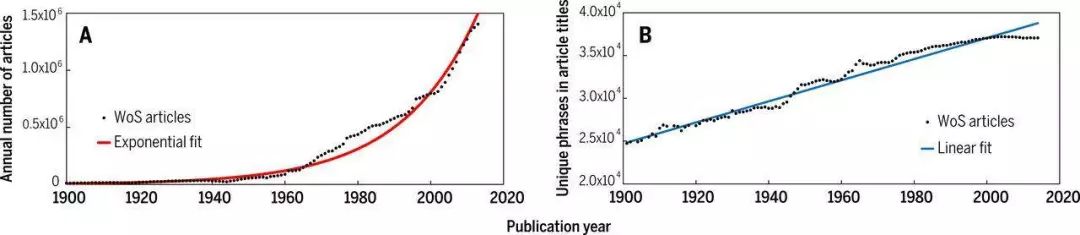
Figure 1 The growth of science. (a) Extract the relationship between the annual output of literature and time in WoS database. (b) The growth of new scientific discoveries covered by indexed documents in B)WoS. This is determined by counting the number of concepts in a fixed number of articles (4).

Words and phrases commonly used in article titles and abstracts spread through citation networks, forming a pattern, which will be replaced by new paradigms at some time (5). By applying the network science method to the citation network, researchers can identify the communities corresponding to the subsets of published articles that frequently quote each other (6). These communities usually correspond to groups of authors (7) who share a common position on specific issues or practitioners (8) who work on the same specialized scientific topics. Recently, an article focusing on biomedical science shows how the growth of publications has strengthened the "subject community" (9).

Once a new paper is published, the relationship between scientists, drugs, diseases and methods ("these things" are nodes in network analysis), that is, hyperedge in network analysis, will be updated and strengthened. Most newly established links are only one or two steps away from each other, which means that when scientists choose new research topics, they prefer to choose content directly related to the current professional knowledge or the professional knowledge of their collaborators. This densification shows that the existing scientific structure may limit people’s research content in the future.

Densification of scientific boundaries is also a signal of interdisciplinary exploration, integration and innovation.

The life cycle analysis of eight research fields (10) shows that successful fields have gone through the process of knowledge and social unification, which leads to a huge channel in the collaborative network (104), which can be compared with a large group of co-authors under normal conditions. The mathematical model in which a scientist random walks to choose a collaborator on the cooperative network successfully reproduces the productivity of the author, the number of authors in each discipline, and the interdisciplinary nature between the content of the paper and the author (11).

3. Selection of research questions

How do scientists decide which research problems to study? Scientific sociologists have long speculated that these choices are determined by the tense game between the risks of traditional research and innovation (12, 13). Scientists who adhere to the tradition of research in their fields will usually promote the research process of key topics by publishing a series of steady research results, thus appearing fruitful.

However, focusing too much on a topic may limit researchers’ ability to perceive and seize opportunities. These opportunities can find new ideas to promote the development of this field. For example, a case study on the relationship between biomedical scientists’ choice of new chemicals and existing chemicals shows that with the maturity of research field, researchers pay more and more attention to existing knowledge (3).

Although innovative articles often have a greater impact than conservative articles, high-risk and high-innovation strategies are rare, because extra rewards can’t make up for the risk of publishing failure. Awards and honors seem to be the main incentives to resist conservatism. They can break the tradition and give people new surprises. Although there are many factors that affect the work that scientists have to do, the macro-model of controlling the change of research interest in scientific undertakings is obviously traceable, and these laws are hidden in the career path of scientific research and scientists. (14)。

Scientists’ choice of research topics mainly affects their personal careers and the careers of those who depend on them. However, the decision-making of scientists sometimes plays a greater role in determining the direction of scientific discovery (Figure 2). Conservative research strategies mean that (15) personal career development has a stable and good prospect, but the promotion effect on the whole discipline is poor. This strategy is magnified by a phenomenon called file drawer problem (16): results inconsistent with established assumptions are rarely published, leading to systematic bias of published research. The untenable and false content is sometimes even regarded as a classic (17).

File drawer problem:

Refers to the researcher’s bias in selecting references, and the documents that do not meet the research purpose will stay in the drawer instead of taking them out for reference.

More bold hypotheses may have been tested by generations of scientists, but only those who are successful enough to produce articles can be known to us. One way to solve this conservative trap problem is to urge funding agencies to actively sponsor risk projects that test new hypotheses, so that special interest groups can undertake research on special diseases.

The results of quantitative analysis show that the distribution of biomedical resources in the United States is related to historical distribution and research, rather than to the severity of actual diseases (18), pointing out the systematic dislocation between biomedical needs and resources. This dislocation makes people wonder to what extent these funds run by scientists with solid habits can affect the development of science without additional supervision, encouragement and feedback.

4. Innovation

The analysis of articles and patents proves that the rare combination of scientific discovery and invention tends to get higher citation rate (3). Interdisciplinary research is a symbolic reorganization process (19); Therefore, the successful combination of historically irrelevant ideas and resources is very important for interdisciplinary research, which is often counterintuitive and leads to highly influential new ideas (20). However, the evidence from the fund application shows that when faced with truly novel (21-23) or interdisciplinary (24) research topics, the expert evaluation system usually gives lower scores.
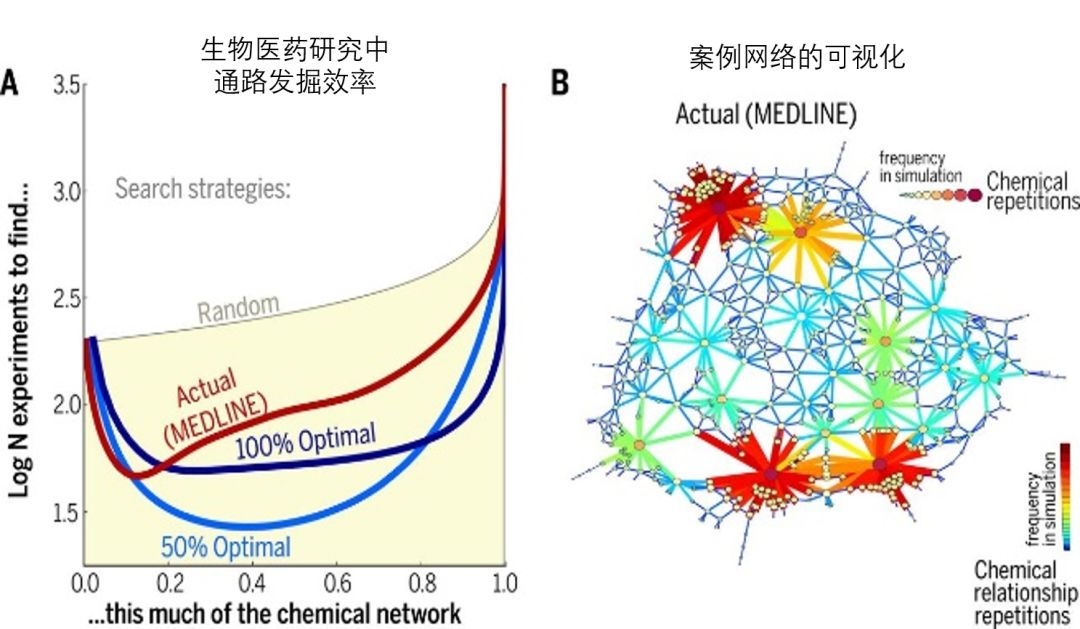
Figure 2 Choose the experiment to accelerate collective discovery.

(a) A study measured the discovery efficiency of all new drugs published in MEDLINE in 2010. The model does not consider the difference in difficulty or cost of specific experiments. The efficiency diagram of this global scientific strategy reflects the relationship between the newly published new biochemical pathway (horizontal axis) and the average number of experiments (vertical axis). Correspondingly, the network diagram between drugs can be made. The researchers used all kinds of hypothetical strategy efficiency to compare with the actual situation, and found the optimal strategy of the best network with complete randomness and 50% and 100%. A lower value on the vertical axis indicates a more effective strategy, and the mode of new discovery is not optimal. The actual strategy is most suitable for discovering 13% of chemical networks, while the 50% optimized strategy is effective for discovering 50% of chemical networks, but both of them are not as good as the 100% best strategy for revealing the whole network.

(b) In reality, drug discovery networks can be plotted in the form of charts. The new connection born by this strategy is the research around some "important" and highly related chemicals, such as the hot spots in the picture, but the 100% efficient research strategy shows a more uniform discovery law and is unlikely to "follow the crowd" in the space of scientific possibility. (15)

The most influential scientific work mainly comes from the combination of conventional content, but it also comes from the unusual combination (25-27). This type of paper is twice as likely to get a high citation rate (26). In other words, the mixture of new and existing elements is the safest way to succeed in scientific progress.

5. Dynamics of scientists’ academic career

Under the broad market background of knowledge production and utilization, various academic professions have emerged (28). Therefore, scientific professional achievements are not only studied in terms of individual motivation and marginal productivity (relative gain and energy) (29), but also tested in terms of institutional motivation (30,31) and competition (32). It is necessary to combine large-scale metadata)(33) of individuals, geography and time with high content resolution to construct a career trajectory that can be analyzed from different angles. For example, a study found that funding schemes that tolerate early failures (rewarding long-term success) are more likely to produce influential published articles than funding for short-term review cycles (31).

Competitive interactive system with time scale is a classic problem in complex system science. The multi-angle nature of science is the driving force to generate a model, which can highlight the unexpected consequences of policies. For example, the career development model shows that short-term contracts are an important reason for productivity fluctuations, because it usually leads to the sudden end of a career.

The difference in productivity and career length can explain the difference in cooperation mode (38) and recruitment rate (35) between male and female scientists. On the other hand, experimental evidence shows that prejudice against women occurs in the early stage of career. When gender is randomly assigned in the resumes of a group of applicants, the recruitment committee systematically belittles the achievements of female candidates (40).

Up to now, most studies have focused on relatively small samples. Improving and compiling large-scale scientists’ data sets and using information from different sources (for example, publishing records, funding applications and awards) will help to understand the causes of inequality more deeply. Establish a motivation model that can provide information for policy solutions.

The mobility of scientists is another important factor in providing diversified career opportunities. Most researches on talent mobility focus on quantifying the inflow and outflow of talents in countries or regions (41,42), especially after policy changes. However, there is still little research on personal mobility and its career impact, mainly because it is difficult to obtain longitudinal information about scientists’ migration and the explanation of the reasons behind the mobility decision.

According to the number of articles cited, it is found that scientists who have left their country of origin perform better in the number of articles cited than those who have not left. This may stem from a choice preference: a good scholar (who has the ability to go abroad) can easily get a better position (a stronger team). (43,44)。 In addition, scientists tend to move between institutions with equal reputations (45). However, when quantifying the impact of job-hopping by citing, no increase or decrease in the system is found, even if the scientist moves to a relatively high or low-level institution (46). In other words, it is not the institution but the individual researchers who make up the institution that have an impact.

Another potential factor affecting career is reputation, and the dilemma it brings to the starting point of reviewing literature, evaluating proposals and making decisions. The reputation of the author, measured by the total citation of its previous output, can significantly increase the number of citations of the paper in the first few years after publication (47). However, after this initial stage, the impact depends on the scientific community’s acceptance of the work. This discovery and the work in citation (46) show that reputation is not the primary productive force for fruitful scientific undertakings, but hard work, talent and advancing despite difficulties are the driving factors.

A policy-related question is whether creativity and innovation are related to age or career stage. After decades of research on outstanding researchers and innovators, it is believed that the major breakthrough occurred in a relatively early stage of career, with a median age of 35 (48).

However, recent work shows that this tendency of fully recording early career discovery is completely explained by the tendency of productivity, which is very high in the early stage of a scientist’s career and then declines (49). In other words, there is no age pattern in innovation: the paper most cited by a scholar can be any of his or her papers, regardless of the age or career stage at the time of publication (Figure 3). The stochastic model describing the development of influence also shows that the breakthrough is produced by the combination of scientists’ ability and the selection of problems with high potential, intuition and luck (49).
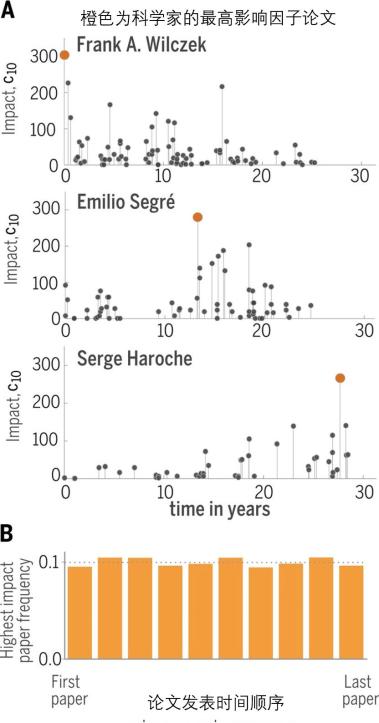
Fig. 3 The influence of science of science on science profession

(a) Publication records of three Nobel Prize winners in physics. The horizontal axis represents the number of years after the winners first published their articles, each circle corresponds to a research paper, and the height c10 of the circle represents the influence of the paper, which means the number of citations after 10 years. The highest impact papers of the winners are indicated by orange circles.

(b) Histograms of papers with the highest impact in the sequence of papers by scientists, calculated for 10,000 scientists. The flatness of the histogram shows that in the sequence of papers published by scientists, the time when the most influential work appears may have the same probability (49).

6. Team research

In the past decades, the dependence of scientific research on teamwork has increased day by day, which represents a fundamental change in the way of scientific research. A study of authors of 19.9 million research papers and 2.1 million patents found an almost universal trend of teamwork in scientific research (50) (Figure 4). For example, in 1955, the scientific and engineering team wrote the same number of papers as a single author. However, by 2013, the proportion of papers written by teams increased to 90% (51).

Nowadays, papers written by scientific and engineering teams are 6.3 times more likely to get more than 1,000 citations, or more citations than individual papers. This phenomenon cannot be explained by self-citations (50,52). One possible reason is that the team can come up with more novel combinations of ideas (26) or produce resources that other researchers can use later (for example, genomics).

The data shows that the team is 38% more likely to combine the scientific breakthrough content into the familiar knowledge field than the individual author, which proves the premise that the team can combine different majors together, thus effectively promoting the scientific breakthrough. Having more collaboration means increasing the visibility among scholars through more co-authors, so they may introduce each other’s work into the internal network of scientific research, which means that each researcher should share his reputation with his colleagues (29).
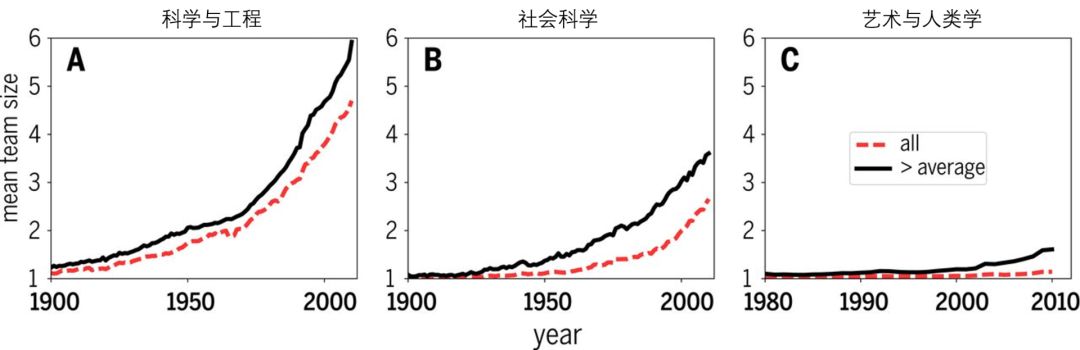
Figure 4 Team size and impact

In the past century, the average team size has been steadily expanding. The red dotted line represents the average number of co-authors in all papers; The black curve considers the average team size of articles with more citations than the average in the field. The black curve is systematically above the red dotted line, which means that large teams are more likely to produce high-impact work than small teams. Each chart corresponds to a discipline category specified by WoS (a) science and engineering, (b) social science, and (c) arts and humanities.

On average, researchers from large teams can get more citations in various fields. Research shows that small teams tend to change science and technology with new ideas and opportunities, while large teams promote the existing research process (53). Therefore, it may be important to finance and train teams of all sizes to ease the bureaucracy of science (28).

At the same time, the team size is increasing at an average rate of 17% every ten years (50, 54, 105). This trend has changed because of the underlying structure of the team. Scientific teams include small, stable "core" teams and large teams, and dynamically expanding teams (55). The increasing team size in most fields is produced by the continuous expansion of dynamic expansion teams, which start with small core teams, but then attract new members through the original accumulation based on productivity. Scale is the key determinant of team survival strategy: if small teams maintain a stable core, they will survive for a longer time, but large teams can survive for a longer time by showing the mechanism of member mobility (56).

With the acceleration and complexity of science, the tools needed to expand the frontier of knowledge are increasing in scale and accuracy. For most individual investigators, research tools are too valuable, but so are most institutions. Academic cooperation has always been a key solution to this problem, so that resources can be more concentrated on scientific research.

The Large Hadron Collider at CERN is the largest and most powerful particle collider in the world. Its birth cannot be ignored by academic cooperation. More than 10,000 scientists and engineers from more than 100 countries participated in the establishment of this collision. However, with the increase of scale, the balance between value and risk related to "big science" comes into being (2). Although it can solve a bigger problem, the problem of scientific repeatability requires you to repeat the experiment, which may not be feasible in practice or economy.

Collaborators will have a great influence on science. According to recent research (57,58), a scientist who loses a star collaborator will experience a sharp drop in productivity, especially if the scattered collaborator is an ordinary researcher. The average number of citations of published articles with strong cooperators will increase by 17%, which shows the value of professional cooperation (59).

In view of the increasing number of authors in research papers, who should and does get the most reputation? The classic theory of the misallocation of reputation in science is Matthew effect (60), in which scientists of higher status who participated in cooperative work gained excessive reputation for their contributions. It is difficult to assign credibility to collaborative participants because individual contributions cannot be easily distinguished (61). However, it is possible to check the common patterns of co-author papers to determine the reputation assigned by each co-author in the group (62).

7. The dynamics behind the cited quantity

Academic citation is still the mainstream way to measure academic achievements in science. In view of the long-term dependence on mainstream citation standards (63-66), the dynamic law of citation accumulation has been verified by several generations of scholars. According to the pioneering research of Price(67), the distribution of citations in scientific papers is highly biased: many papers have never been cited, but pioneering papers can accumulate 10,000 or more citations. This uneven citation distribution is a powerful, natural and innovative attribute of scientific change. When papers are grouped by institutions, it also holds (68). And if the number of citations of a paper is divided by the average citations of the same year of the paper’s classmates, the score distribution obtained is basically the same for all disciplines (69, 70) (Figure 5A).

This means that the influence of papers published by different disciplines can be compared by looking at the relative references. For example, a mathematics paper with 100 citations has a higher academic influence than a microbiology paper with 300 citations.
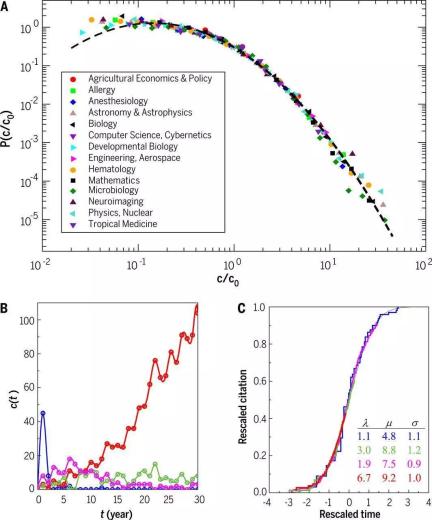
Fig. 5 universality of citation dynamics

(a) If the citation frequency c of each paper is divided by the average citation frequency c0 of all papers in this discipline, then the citation distribution of papers published in the same discipline and year is basically uniform in all disciplines. The dotted line is a lognormal fitting curve. (69)

(b) The citation history of four papers published in "Physical Review" in B)1964, according to its unique dynamic selection, shows "jumping decay" mode (blue), peak delay (purple), stable citation number mode (green) and rising citation index (red). (c) The citation of a single paper is determined by three parameters: fitness λ, immediacy μ, and longevity σ. The citation of each paper in (b) is readjusted by appropriate (λ, μ, σ) parameters, and the four papers are merged into a general function, which is the same for all disciplines. (77)

The tail information of distribution can capture the number of high-impact papers and reveal the mechanism that drives the accumulation of citation numbers. Recent analysis shows that it follows the power law distribution (71-73). The tail of power law can be generated by the process of accumulating advantages (74), which is called preferential attachment)(75) in network science, indicating that the probability of citing papers increases with the increase of the number of citations it has accumulated.

Such a model can be used together with other characteristics of citation dynamics, such as the obsolescence of knowledge, to enhance the descriptive nature of the model. The number of articles cited decreases with time (76, 79, 106), or a fitness parameter can be used to correspond to the attraction of each paper to the scientific community (77,78). Only a small number of papers can’t be described by the above hypothesis, and they are called "Sleeping Beauty" because they were ignored for a period of time after publication, but after a period of time, they suddenly received a lot of attention and quotations (80,81).

The above formation mechanism can be used to predict the citation dynamics of a single paper. A prediction model (77) assumes that the citation probability of a paper depends on the number of previous citations, and the number of citations of this article can be predicted by considering the obsolescence factor and fitness parameter of each article (Figure 5, B, C). The long-term impact of a scientific research work can be inferred (77). Other studies have identified predictive indicators related to paper impact factors (82), such as journal impact factors (72). Some studies show that a scientist’s h-index(83) can be accurately predicted (84). Although if the career stage of scientists and the accumulation and non-decline of h- index are taken into account, the prediction accuracy will be reduced (85).

Behind eliminating the inconsistency of quantitative evaluation indicators and commonly used statistical data in science, the internal mechanism of generating these data is a very important mechanism in scientific research.

8. Outlook

Although scientific research does have its universality, the differences in substantive subject background in culture, habits and preferences make it difficult to understand some cross-disciplinary opinions in some fields, and the corresponding policies are difficult to implement. The differences between the questions, data and skills required by each discipline indicate that further insights can be obtained from scientific research in specific fields. These research simulations and predictions are adapted to the needs and opportunities in each subject area. For young scientists, the research results of scientology provide effective insights from past scientific research and help guide them to foresee the future (Box1).

Box1: Lessons from Science of Science

Innovation and tradition: pure, truly innovative and highly interdisciplinary ideas may not reach the scientific influence they can achieve. In order to enhance its influence, new ideas should be published in the existing academic environment (26).

Persistence: As long as the research status is maintained, there will never be a case that a scientist is "too old" to make a major discovery (49).

Cooperation: Now the research mode is shifting to teams, so it is beneficial to participate in cooperation. The works of small teams are often more subversive, while those strong teams often have more resources to do more influential big work (4,50,53).

Reputation: Most reputations will belong to co-authors who have consistently worked in the field of literature publishing (62).

Funding: Although the judging panel promises to support innovation, they are actually more inclined to ignore innovation. Funding agencies should ask reviewers to evaluate innovation, not just the success they expected in their minds (24).

The contribution of science of science of science of science of science is that it begins to understand the relationship structure among scientists, institutions and ideas in detail, which is the key starting point to identify the operating mechanism behind it. In a word, these data-driven works supplement the contents lacking in related research fields, such as economics (30) and sociology of science (60,86).

Causal estimation is a typical example in economics. Econometrics research will collect and use comprehensive data sources to simulate the needs (31,42). Evaluating causality is one of the most needed future developments of science of science: many descriptive studies have revealed the strong correlation between scientific research structure and successful results, but the degree to which a specific structure "leads" to the results has not been explored-we don’t know the causality behind the correlation.

By establishing closer cooperation with researchers, scientology will be able to better identify the connections found from models and large-scale data, which have the potential to promote the birth of relevant policies. But the experiment of scientology may be the biggest challenge that scientology has not yet faced. Running randomized controlled trials will change the research process of individuals or scientific institutions supported by taxes, and such a high cost will inevitably lead to criticism and obstacles (87).

Therefore, in the near future, quasi-experimental approaches will be dominant in scientific investigation.

Most scientific research takes scientific research literature as the main data source, which means that the research objects of this discipline are those successful cases. However, most scientific research has failed, sometimes even a huge failure. In view of the fact that scientists fail more than they succeed, it is very important to understand when, where, why and how ideas fail. These studies can provide meaningful guidance for the recurring crisis and help us solve the file drawer problem. By revealing creative activities, these studies can also greatly promote the interpretation of human creativity.

Similar to the economic system, the scientific system is an economic system that uses one-dimensional "currency" quotations. This implies that classes also exist in the scientific research system, in which "the richer the rich" inhibits the spread of new ideas, especially those new scientists and those who do not conform to the traditional identity in a specific field.

The scientific system can be improved by expanding the number and scope of performance indicators. In this regard, it is very important to develop alternative indicators to measure the metrics covering web )(88), social media (89) activity and social impact (90). Other measurable dimensions include information (such as data) shared by scientists and competitors (91), the help they provide to their peers (92), and their reliability as peer reviewers (93).

However, due to the need for a large number of indicators, more work needs to be done to understand the role of each indicator and what it does not capture, so as to ensure meaningful interpretation and avoid abuse. Science of science can make various contributions by providing models, which can deeply understand the coverage of scientific performance indicators and the mechanism behind them. For example, the empirical model observed when using alternative indicators (for example, the distribution of document downloads) will enable us to explore their relationship with the measurement system based on the number of citations (94) and identify black-box operations.

Combining the index based on the number of citations with other indexes will promote the diversified development of scientific research and realize the division of scientific research productivity, so scientists can achieve achievements in different ways. Science is an ecosystem, which needs not only publication, but also disseminators, teachers and experts who pay attention to details. We need people who can ask novel and innovative questions and who can answer them. If curiosity, creativity and knowledge can be effectively exchanged-especially information about the application and social impact of science and technology-more diversified methods can reduce duplication and science can flourish (95).

One problem that science of science tries to solve is the allocation of scientific funds. The current peer review system is biased and contradictory (96). Several alternatives have been proposed, such as random allocation of funds (97), professionals-oriented funds (31) that do not involve proposal and review system, review mechanism (98) that is open to online people, review mechanism (99) that removes reviewers’ performance, and scientist crowdfunding (100) funds.

A key field of future research of SciSci is the integration with machine learning and artificial intelligence, so that objective machines can work with human beings. These new tools will have a pleasant far-reaching, because machines may broaden the horizons of scientists more than human collaborators. For example, self-driving vehicle is a machine learning technology, which is a successful combination of known driving technology and unknown driving habit information. The study of mind-machine partnership has provided a wide range of positive effects on decision-making in a wide range of fields such as health, economy, society and law (101-103). How to improve science through the relationship between machine and mind, and how to arrange it to make scientific development more effective? These questions help us to understand the future science.

references

1. E. Garfield, Citation indexes for science; a new dimension in documentation through association of ideas. Science 122, 108–111 (1955). doi: 10.1126/science.122.3159.108;

pmid: 14385826

2. D. J. S. Price, Little Science, Big Science (Columbia Univ. Press, 1963).

3. J. G. Foster, A. Rzhetsky, J. A. Evans, Tradition and innovation in scientists’ research strategies. Am. Sociol. Rev. 80, –908 (2015). 875doi: 10.1177/

0003122415601618

4. S. Milojevi?, Quantifying the cognitive extent of science. J. Informetr. 9, 962–973 (2015). doi: 10.1016/j.joi.2015.10.005

5. T. Kuhn, M. Perc, D. Helbing, Inheritance patterns in citation networks reveal scientific memes. Phys. Rev. X 4, 041036 (2014). doi: 10.1103/PhysRevX.4.041036

6. R. Klavans, K. W. Boyack, Which type of citation analysis generates the most accurate taxonomy of scientific and technical knowledge? J. Assoc. Inf. Sci. Technol. 68, 984–998 (2016). doi: 10.1002/asi.23734

7. U. Shwed, P. S. Bearman, The temporal structure of scientific consensus formation. Am. Sociol. Rev. 75, 817–840 (2010). doi: 10.1177/0003122410388488; pmid: 21886269

8. J. Bruggeman, V. A. Traag, J. Uitermark, Detecting communities through network data. Am. Sociol. Rev. 77, 1050–1063 (2012). doi: 10.1177/0003122412463574

9. F. Shi, J. G. Foster, J. A. Evans, Weaving the fabric of science:

Dynamic network models of science’s unfolding structure. Soc. Networks 43, 73–85 (2015). doi: 10.1016/j.socnet.2015.02.006

10. L. M. A. Bettencourt, D. I. Kaiser, J. Kaur, Scientific discovery and topological transitions in collaboration networks. J. Informetr. 3, 210–221 (2009). doi: 10.1016/

j.joi.2009.03.001

11. X. Sun, J. Kaur, S. Milojevi?, A. Flammini, F. Menczer, Social dynamics of science. Sci. Rep. 3, 1069 (2013). doi: 10.1038/srep01069; pmid: 23323212

12. T. S. Kuhn, The Essential Tension: Selected Studies in Scientific Tradition and Change (Univ. of Chicago Press, 1977).

13. P. Bourdieu, The specificity of the scientific field and the social conditions of the progress of reasons. Soc. Sci. Inf. (Paris) 14, 19–47 (1975). doi: 10.1177/

053901847501400602

14. T. Jia, D. Wang, B. K. Szymanski, Quantifying patterns of research-interest evolution. Nat. Hum. Behav. 1, 0078 (2017).doi: 10.1038/s41562-017-0078

15. A. Rzhetsky, J. G. Foster, I. T. Foster, J. A. Evans, Choosing experiments to accelerate collective discovery. Proc. Natl. Acad. Sci. U.S.A. 112, 14569–14574 (2015).

doi: 10.1073/pnas.1509757112; pmid: 26554009

16. R. Rosenthal, The file drawer problem and tolerance for null results. Psychol. Bull. 86, 638–641 (1979). doi: 10.1037/0033-2909.86.3.638

17. S. B. Nissen, T. Magidson, K. Gross, C. T. Bergstrom, Publication bias and the canonization of false facts. eLife 5, e21451 (2016). doi: 10.7554/eLife.21451; pmid: 27995896

18. L. Yao, Y. Li, S. Ghosh, J. A. Evans, A. Rzhetsky, Health ROI as a measure of misalignment of biomedical needs and resources. Nat. Biotechnol. 33, 807–811 (2015). doi: 10.1038/nbt.3276; pmid: 26252133

19. C. S. Wagner et al., Approaches to understanding and measuring interdisciplinary scientific research (IDR): A review of the literature. J. Informetr. 5, 14–26 (2011). doi: 10.1016/j.joi.2010.06.004

20. V. Larivière, S. Haustein, K. B?rner, Long-distance interdisciplinarity leads to higher scientific impact. PLOS ONE 10, e0122565 (2015). doi: 10.1371/journal.pone.0122565; pmid: 25822658

21. K. J. Boudreau, E. C. Guinan, K. R. Lakhani, C. Riedl, Looking across and looking beyond the knowledge frontier:

Intellectual distance, novelty, and resource allocation in science. Manage. Sci. 62, 2765–2783 (2016). doi: 10.1287/mnsc.2015.2285; pmid: 27746512

22. E. Leahey, J. Moody, Sociological innovation through subfield

integration. Soc. Currents 1, 228–256 (2014). doi: 10.1177/2329496514540131

23. A. Yegros-Yegros, I. Rafols, P. D’Este, Does interdisciplinary

research lead to higher citation impact? The different effect of proximal and distal interdisciplinarity. PLOS ONE 10, e0135095 (2015). doi:10.1371/journal.pone.0135095; pmid: 26266805

24. L. Bromham, R. Dinnage, X. Hua, Interdisciplinary research has consistently lower funding success. Nature 534, 684–687 (2016). doi: 10.1038/nature18315; pmid: 27357795

25. D. Kim, D. B. Cerigo, H. Jeong, H. Youn, Technological novelty profile and inventions future impact. EPJ Data Sci. 5, 8 (2016). doi: 10.1140/epjds/s13688-016-0069-1

26. B. Uzzi, S. Mukherjee, M. Stringer, B. Jones, Atypical combinations and scientific impact. Science 342, 468–472 (2013). doi: 10.1126/science.1240474; pmid: 24159044

27. J. Wang, R. Veugelers, P. Stephan, “Bias against novelty in science: A cautionary tale for users of bibliometric indicators” (NBER Working Paper No. 22180, National Bureau of Economic Research, 2016).

28. J. P. Walsh, Y.-N. Lee, The bureaucratization of science. Res. Policy 44, 1584–1600 (2015). doi: 10.1016/j.respol.2015.04.010

29. A. M. Petersen, M. Riccaboni, H. E. Stanley, F. Pammolli, Persistence and uncertainty in the academic career.Proc. Natl. Acad. Sci. U.S.A. 109, 5213–5218 (2012). doi: 10.1073/pnas.1121429109; pmid: 22431620

30. P. E. Stephan, How Economics Shapes Science (Harvard Univ.

Press, 2012).

31. P. Azoulay, J. S. Graff Zivin, G. Manso, Incentives and creativity: Evidence from the academic life sciences. Rand J. Econ. 42, 527–554 (2011). doi: 10.1111/

j.1756-2171.2011.00140.x

32. R. Freeman, E. Weinstein, E. Marincola, J. Rosenbaum, F. Solomon, Competition and careers in biosciences. Science

294, 2293–2294 (2001). doi: 10.1126/science.1067477; pmid: 11743184

33. J. A. Evans, J. G. Foster, Metaknowledge. Science 331, 721–725 (2011). doi: 10.1126/science.1201765; pmid: 21311014

34. V. Larivière, C. Ni, Y. Gingras, B. Cronin, C. R. Sugimoto, Bibliometrics: Global gender disparities in science. Nature 504, 211–213 (2013). doi: 10.1038/504211a;

pmid: 24350369

35. S. F. Way, D. B. Larremore, A. Clauset, in Proceedings of the 25th International Conference on World Wide Web (WWW ‘16) (ACM, 2016), pp. 1169–1179.

36. J. Duch et al., The possible role of resource requirements and academic career-choice risk on gender differences in publication rate and impact. PLOS ONE 7, e51332 (2012). doi: 10.1371/journal.pone.0051332; pmid: 23251502

37. J. D. West, J. Jacquet, M. M. King, S. J. Correll, C. T. Bergstrom, The role of gender in scholarly authorship. PLOS ONE 8, e66212 (2013). doi: 10.1371/journal.pone.0066212; pmid: 23894278

38. X. H. T. Zeng et al., Differences in collaboration patterns across discipline, career stage, and gender. PLOS Biol. 14, e1002573 (2016). doi: 10.1371/journal.pbio.1002573; pmid: 27814355

39. T. J. Ley, B. H. Hamilton, The gender gap in NIH grant applications. Science 322, 1472–1474 (2008). doi: 10.1126/ science.1165878; pmid: 19056961

40. C. A. Moss-Racusin, J. F. Dovidio, V. L. Brescoll, M. J. Graham, J. Handelsman, Science faculty’s subtle gender biases favor male students. Proc. Natl. Acad. Sci. U.S.A. 109, 16474–16479

(2012). doi: 10.1073/pnas.1211286109; pmid: 22988126

41. R. Van Noorden, Global mobility: Science on the move. Nature 490, 326–329 (2012). doi: 10.1038/490326a; pmid: 23075963

42. O. A. Doria Arrieta, F. Pammolli, A. M. Petersen, Quantifying

the negative impact of brain drain on the integration of European science. Sci. Adv. 3, e1602232 (2017). doi: 10.1126/

sciadv.1602232; pmid: 28439544

43. C. Franzoni, G. Scellato, P. Stephan, The mover’s advantage: The superior performance of migrant scientists. Econ. Lett. 122, 89–93 (2014). doi: 10.1016/j.econlet.2013.10.040

44. C. R. Sugimoto et al., Scientists have most impact when they’re free to move. Nature 550, 29–31 (2017). doi: 10.1038/550029a; pmid: 28980663

45. A. Clauset, S. Arbesman, D. B. Larremore, Systematic inequality and hierarchy in faculty hiring networks. Sci. Adv.1, e1400005 (2015). doi: 10.1126/sciadv.1400005; pmid: 26601125

46. P. Deville et al., Career on the move: Geography, stratification, and scientific impact. Sci. Rep. 4, 4770 (2014). pmid: 24759743

47. A. M. Petersen et al., Reputation and impact in academic careers. Proc. Natl. Acad. Sci. U.S.A. 111, 15316–15321 (2014). doi: 10.1073/pnas.1323111111; pmid: 25288774

48. D. K. Simonton, Creative productivity: A predictive and explanatory model of career trajectories and landmarks. Psychol. Rev. 104, 66–89 (1997). doi: 10.1037/

0033-295X.104.1.66

49. R. Sinatra, D. Wang, P. Deville, C. Song, A.-L. Barabási, Quantifying the evolution of individual scientific impact. Science 354, aaf5239 (2016). doi: 10.1126/science.aaf5239; pmid: 27811240

50. S. Wuchty, B. F. Jones, B. Uzzi, The increasing dominance of teams in production of knowledge. Science 316, 1036–1039 (2007). doi: 10.1126/science.1136099; pmid: 17431139

51. N. J. Cooke, M. L. Hilton, Eds., Enhancing the Effectiveness of Team Science (National Academies Press, 2015).

52. V. Larivière, Y. Gingras, C. R. Sugimoto, A. Tsou, Team size matters: Collaboration and scientific impact since 1900. J. Assoc. Inf. Sci. Technol. 66, 1323–1332 (2015).

doi: 10.1002/asi.23266

53. L. Wu, D. Wang, J. A. Evans, Large teams have developed science and technology; small teams have disrupted it. arXiv:1709.02445 [physics.soc-ph] (7 September 2017).

54. B. F. Jones, The burden of knowledge and the “death of the renaissance man”: Is innovation getting harder? Rev. Econ. Stud. 76, 283–317 (2009). doi: 10.1111/j.1467-937X.2008.00531.x

55. S. Milojevi?, Principles of scientific research team formation and evolution. Proc. Natl. Acad. Sci. U.S.A. 111, 3984–3989 (2014). doi: 10.1073/pnas.1309723111; pmid: 24591626

56. G. Palla, A.-L. Barabási, T. Vicsek, Quantifying social group evolution. Nature 446, 664–667 (2007). doi: 10.1038/nature05670; pmid: 17410175

57. G. J. Borjas, K. B. Doran, Which peers matter? The relative impacts of collaborators, colleagues, and competitors. Rev. Econ. Stat. 97, 1104–1117 (2015). doi: 10.1162/REST_a_00472

58. P. Azoulay, J. G. Zivin, J. Wang, Superstar extinction. Q. J. Econ. 125, 549–589 (2010). doi: 10.1162/qjec.2010.125.2.549

59. A. M. Petersen, Quantifying the impact of weak, strong, and super ties in scientific careers. Proc. Natl. Acad. Sci. U.S.A. 112, E4671–E4680 (2015). doi: 10.1073/pnas.1501444112; pmid: 26261301

60. R. K. Merton, The Matthew effect in science. Science 159, 56–63 (1968). doi: 10.1126/science.159.3810.56

61. L. Allen, J. Scott, A. Brand, M. Hlava, M. Altman, Publishing: Credit where credit is due. Nature 508, 312–313 (2014). doi: 10.1038/508312a; pmid: 24745070

62. H.-W. Shen, A.-L. Barabási, Collective credit allocation in science. Proc. Natl. Acad. Sci. U.S.A. 111, 12325–12330 (2014). doi: 10.1073/pnas.1401992111; pmid: 25114238

63. L. Waltman, A review of the literature on citation impact indicators. J. Informetr. 10, 365–391 (2016). doi: 10.1016/j.joi.2016.02.007

64. J. E. Hirsch, An index to quantify an individual’s scientific

research output. Proc. Natl. Acad. Sci. U.S.A. 102, 16569–16572 (2005). doi: 10.1073/pnas.0507655102; pmid: 16275915

65. H. F. Moed, Citation Analysis in Research Evaluation (Springer, 2010).

66. E. Garfield, Citation analysis as a tool in journal evaluation.

Science 178, 471–479 (1972). doi: 10.1126/science.178.4060.471; pmid: 5079701

67. D. J. de Solla Price, Networks of scientific papers. Science

149, 510–515 (1965). doi: 10.1126/science.149.3683.510; pmid: 14325149

68. Q. Zhang, N. Perra, B. Gon?alves, F. Ciulla, A. Vespignani,

Characterizing scientific production and consumption in physics. Sci. Rep. 3, 1640 (2013). doi: 10.1038/srep01640; pmid: 23571320

69. F. Radicchi, S. Fortunato, C. Castellano, Universality of citation distributions: Toward an objective measure of scientific impact. Proc. Natl. Acad. Sci. U.S.A. 105,

17268–17272 (2008). doi: 10.1073/pnas.0806977105;

pmid: 18978030

70. L. Waltman, N. J. van Eck, A. F. J. van Raan, Universality of citation distributions revisited. J. Assoc. Inf. Sci. Technol. 63, 72–77 (2012). doi: 10.1002/asi.21671

71. M. Golosovsky, S. Solomon, Runaway events dominate the heavy tail of citation distributions. Eur. Phys. J. Spec. Top. 205, 303–311 (2012). doi: 10.1140/epjst/e2012-01576-4

72. C. Stegehuis, N. Litvak, L. Waltman, Predicting the long-term citation impact of recent publications. J. Informetr. 9, 642–657 (2015). doi: 10.1016/j.joi.2015.06.005

73. M. Thelwall, The discretised lognormal and hooked power law distributions for complete citation data: Best options for modelling and regression. J. Informetr. 10, 336–346 (2016). doi: 10.1016/j.joi.2015.12.007

74. D. de Solla Price, A general theory of bibliometric and other cumulative advantage processes. J. Am. Soc. Inf. Sci. 27, 292–306 (1976). doi: 10.1002/asi.4630270505

75. A.-L. Barabási, R. Albert, Emergence of scaling in random networks. Science 286, 509–512 (1999). doi: 10.1126/science.286.5439.509; pmid: 10521342

76. P. D. B. Parolo et al., Attention decay in science. J. Informetr. 9, 734–745 (2015). doi: 10.1016/j.joi.2015.07.006

77. D. Wang, C. Song, A.-L. Barabási, Quantifying long-term scientific impact. Science 342, 127–132 (2013). doi: 10.1126/science.1237825; pmid: 24092745

78. Y.-H. Eom, S. Fortunato, Characterizing and modeling citation dynamics. PLOS ONE 6, e24926 (2011). doi: 10.1371/journal.pone.0024926; pmid: 21966387

79. M. Golosovsky, S. Solomon, Stochastic dynamical model of a growing citation network based on a self-exciting point process. Phys. Rev. Lett. 109, 098701 (2012). doi: 10.1103/PhysRevLett.109.098701; pmid: 23002894

80. A. F. J. van Raan, Sleeping Beauties in science. Scientometrics 59, 467–472 (2004). doi: 10.1023/B:SCIE.0000018543.82441.f1

81. Q. Ke, E. Ferrara, F. Radicchi, A. Flammini, Defining and

identifying Sleeping Beauties in science. Proc. Natl. Acad. Sci. U.S.A. 112, 7426–7431 (2015). doi: 10.1073/pnas.1424329112; pmid: 26015563

82. I. Tahamtan, A. Safipour Afshar, K. Ahamdzadeh, Factors affecting number of citations: A comprehensive review of the literature. Scientometrics 107, 1195–1225 (2016). doi: 10.1007/s11192-016-1889-2

83. J. E. Hirsch, Does the h index have predictive power? Proc. Natl. Acad. Sci. U.S.A. 104, 19193–19198 (2007). doi: 10.1073/pnas.0707962104; pmid: 18040045

84. D. E. Acuna, S. Allesina, K. P. Kording, Future impact: Predicting scientific success. Nature 489, 201–202 (2012). doi: 10.1038/489201a; pmid: 22972278

85. O. Penner, R. K. Pan, A. M. Petersen, K. Kaski, S. Fortunato, On the predictability of future impact in science. Sci. Rep. 3, 3052 (2013). doi: 10.1038/srep03052; pmid: 24165898

86. J. R. Cole, H. Zuckerman, in The Idea of Social Structure: Papers in Honor of Robert K. Merton, L. A. Coser, Ed. (Harcourt Brace Jovanovich, 1975), pp. 139–174.

87. P. Azoulay, Research efficiency: Turn the scientific method on

ourselves. Nature 484, 31–32 (2012). doi: 10.1038/484031a;

pmid: 22481340

88. M. Thelwall, K. Kousha, Web indicators for research evaluation. Part 1: Citations and links to academic articles from the Web. Prof. Inf. 24, 587–606 (2015). doi: 10.3145/epi.2015.sep.08

89. M. Thelwall, K. Kousha, Web indicators for research evaluation. Part 2: Social media metrics. Prof. Inf. 24, 607–620 (2015). doi: 10.3145/epi.2015.sep.09

90. L. Bornmann, What is societal impact of research and how can it be assessed? A literature survey. Adv. Inf. Sci. 64, 217–233 (2013).

91. C. Haeussler, L. Jiang, J. Thursby, M. Thursby, Specific and general information sharing among competing academic researchers. Res. Policy 43, 465–475 (2014). doi: 10.1016/j.respol.2013.08.017

92. A. Oettl, Sociology: Honour the helpful. Nature 489, 496–497(2012). doi: 10.1038/489496a; pmid: 23018949

93. S. Ravindran, “Getting credit for peer review,” Science, 8 February 2016; www.sciencemag.org/careers/2016/02/getting-credit-peer-review.

94. R. Costas, Z. Zahedi, P. Wouters, Do “altmetrics” correlate with citations? Extensive comparison of altmetric indicators with citations from a multidisciplinary perspective. J. Assoc. Inf. Sci. Technol. 66, 2003–2019 (2015). doi: 10.1002/asi.23309

75. A.-L. Barabási, R. Albert, Emergence of scaling in random networks. Science 286, 509–512 (1999). doi: 10.1126/science.286.5439.509; pmid: 10521342

76. P. D. B. Parolo et al., Attention decay in science. J. Informetr. 9, 734–745 (2015). doi: 10.1016/j.joi.2015.07.006

77. D. Wang, C. Song, A.-L. Barabási, Quantifying long-term scientific impact. Science 342, 127–132 (2013). doi: 10.1126/science.1237825; pmid: 24092745

78. Y.-H. Eom, S. Fortunato, Characterizing and modeling citation dynamics. PLOS ONE 6, e24926 (2011). doi: 10.1371/journal.pone.0024926; pmid: 21966387

79. M. Golosovsky, S. Solomon, Stochastic dynamical model of a growing citation network based on a self-exciting point process. Phys. Rev. Lett. 109, 098701 (2012). doi: 10.1103/PhysRevLett.109.098701; pmid: 23002894

80. A. F. J. van Raan, Sleeping Beauties in science. Scientometrics 59, 467–472 (2004). doi: 10.1023/B:SCIE.0000018543.82441.f1

81. Q. Ke, E. Ferrara, F. Radicchi, A. Flammini, Defining and identifying Sleeping Beauties in science. Proc. Natl. Acad. Sci. U.S.A. 112, 7426–7431 (2015). doi: 10.1073/pnas.1424329112; pmid: 26015563

82. I. Tahamtan, A. Safipour Afshar, K. Ahamdzadeh, Factors affecting number of citations: A comprehensive review of the literature. Scientometrics 107, 1195–1225 (2016). doi: 10.1007/s11192-016-1889-2

83. J. E. Hirsch, Does the h index have predictive power? Proc. Natl. Acad. Sci. U.S.A. 104, 19193–19198 (2007). doi: 10.1073/pnas.0707962104; pmid: 18040045

84. D. E. Acuna, S. Allesina, K. P. Kording, Future impact: Predicting scientific success. Nature 489, 201–202 (2012). doi: 10.1038/489201a; pmid: 22972278

85. O. Penner, R. K. Pan, A. M. Petersen, K. Kaski, S. Fortunato, On the predictability of future impact in science. Sci. Rep. 3, 3052 (2013). doi: 10.1038/srep03052;

pmid: 24165898

86. J. R. Cole, H. Zuckerman, in The Idea of Social Structure: Papers in Honor of Robert K. Merton, L. A. Coser, Ed. (Harcourt Brace Jovanovich, 1975), pp. 139–174.

87. P. Azoulay, Research efficiency: Turn the scientific method on ourselves. Nature 484, 31–32 (2012). doi: 10.1038/484031a; pmid: 22481340

88. M. Thelwall, K. Kousha, Web indicators for research evaluation. Part 1: Citations and links to academic articles from the Web. Prof. Inf. 24, 587–606 (2015). doi: 10.3145/epi.2015.sep.08

89. M. Thelwall, K. Kousha, Web indicators for research evaluation. Part 2: Social media metrics. Prof. Inf. 24, 607–620 (2015). doi: 10.3145/epi.2015.sep.09

90. L. Bornmann, What is societal impact of research and how can it be assessed? A literature survey. Adv. Inf. Sci. 64, 217–233 (2013).

91. C. Haeussler, L. Jiang, J. Thursby, M. Thursby, Specific and general information sharing among competing academic researchers. Res. Policy 43, 465–475 (2014). doi: 10.1016/j.respol.2013.08.017

92. A. Oettl, Sociology: Honour the helpful. Nature 489, 496–497 (2012). doi: 10.1038/489496a; pmid: 23018949

93. S. Ravindran, “Getting credit for peer review,” Science, 8

February 2016; www.sciencemag.org/careers/2016/02/

getting-credit-peer-review.

94. R. Costas, Z. Zahedi, P. Wouters, Do “altmetrics” correlate with citations? Extensive comparison of altmetric indicators with citations from a multidisciplinary perspective. J. Assoc. Inf. Sci. Technol. 66, 2003–2019 (2015). doi: 10.1002/asi.23309

Compilation: Translation Group of Jizhi Club

Source: science

Original title: science of science

Original address:

https://science.sciencemag.org/content/359/6379/eaao0185

Original title: "A Summary of Science Long Articles: What is Science of Science | New Year Special"

Read the original text
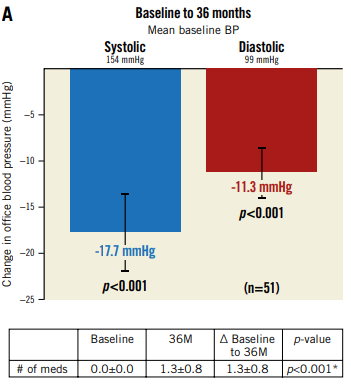
Some valuable experiences in 40 years of reform and opening up

  This year marks the 40th anniversary of China’s reform and opening up. 40 years of reform and opening up has made great achievements that attract worldwide attention, which has brought about earth-shaking changes in China. General Secretary of the Supreme Leader stressed that "great efforts should be made to sum up and apply the successful experience of China’s reform and opening up". It is of great theoretical and practical significance to sum up the valuable experience of China’s reform and opening up in the past 40 years to further accelerate the reform and opening up in the new era, uphold and develop Socialism with Chinese characteristics and realize the Chinese dream of the great rejuvenation of the Chinese nation.

  The Third Plenary Session of the Eleventh Central Committee of the Party held in 1978 opened the historical journey of China’s reform and opening up. Since then, our Party has United and led the people of all ethnic groups throughout the country to make unremitting efforts, wrote a magnificent epic of the Chinese nation’s unremitting efforts to strive for self-improvement, pushed China’s economic strength, scientific and technological strength, national defense strength and comprehensive national strength into the forefront of the world, and promoted China’s international status to an unprecedented level. The face of the Party, the face of the country, the face of the people, the face of the army and the face of the Chinese nation have undergone unprecedented changes. China has accumulated a lot of experience in the 40 years of reform and opening up, and the valuable experience of fundamental significance that deserves our firm grasp mainly includes the following aspects:

  We must adhere to the direction of Socialism with Chinese characteristics.

  Reform and opening up is a profound revolution, and we must adhere to the correct direction and advance along the right path. Over the past 40 years, the people of China have been working hard and tenaciously, greatly liberating and developing the social productive forces, and always striving for progress and forging ahead, opening up the road of Socialism with Chinese characteristics. Over the past 40 years, China’s economic strength and comprehensive national strength have been greatly improved, people’s lives have improved significantly, its international status has been unprecedentedly improved, and its economic aggregate has leapt to the second place in the world, successfully achieving a leap from a low-income country to a middle-income country. Practice has proved that the road of Socialism with Chinese characteristics is feasible, right and good. Reform is a reform that keeps advancing on the road of Socialism with Chinese characteristics, and adhering to the direction of Socialism with Chinese characteristics is the fundamental reason for the success of China’s 40 years of reform and opening up. General Secretary of the Supreme Leader pointed out, "Our reform and opening up has a direction, a position and principles." "If we don’t implement reform and opening up, we will die, and we will deny the socialist direction &lsquo; Reform and opening up &rsquo; We say that Socialism with Chinese characteristics is socialism, that is, no matter how we reform and open up, we will always adhere to the Socialism with Chinese characteristics Road, Socialism with Chinese characteristics Theory System and Socialism with Chinese characteristics System. In the face of the actions of hostile forces in the west and some people with ulterior motives in spreading fallacies and confusing people on the reform issue, we must keep a clear head and maintain political firmness.As General Secretary of the Supreme Leader emphasized, to firmly grasp the correct direction of reform, we must stand firm and take a clear-cut stand on fundamental issues such as roads, theories and systems, and in the face of major issues.

  We must constantly promote the China of Marxism.

  Reform and opening up is an unprecedented innovative practice, and the process of promoting reform and opening up is a process of crossing the river by feeling the stones and constantly summarizing scientific theories in practice and guiding reform with scientific theories. In the past 40 years, China has made great achievements in reform and opening up. The key is that we not only adhere to the basic principles of Marxism, but also continue to promote the China of Marxism according to the practice of contemporary China and the development of the times, thus forming and developing the system of Socialism with Chinese characteristics Theory. Socialism with Chinese characteristics Thought of the Supreme Leader in the New Era is the latest achievement of Marxism in China and an important part of Socialism with Chinese characteristics’s theoretical system. In this thought, it is clear that the overall goal of comprehensively deepening reform is to improve and develop the Socialism with Chinese characteristics system, promote the modernization of the national governance system and governance capacity, and emphasize persisting in comprehensively deepening reform and promoting the building of a community of human destiny. An important experience of the success of China’s 40-year reform and opening-up is that it has neither lost its ancestors nor developed them, and guided the practice of China’s reform and opening-up with contemporary Marxist scientific theory in China.

  We must uphold and improve the Communist Party of China (CPC)’s leadership.

  The most essential feature of Socialism with Chinese characteristics is the Communist Party of China (CPC)’s leadership, and the greatest advantage of Socialism with Chinese characteristics system is the Communist Party of China (CPC)’s leadership. The Communist Party of China (CPC) is the leading core of Socialism with Chinese characteristics’s cause, and reform and opening up is a new great revolution led by the Party under the new era. China’s reform and opening-up is carried out under the condition that the productive forces are relatively backward, and there are many institutional drawbacks in the production relations and superstructure. It is the self-improvement and development of the socialist system and a profound and complicated revolution, which determines that the reform must be carried out in a planned, step-by-step and orderly manner under the leadership of the Party. Our party deeply understands that to realize the great rejuvenation of the Chinese nation, we must conform to the trend of the times, conform to the wishes of the people, be brave in reform and opening up, and make the cause of the party and the people always full of powerful motivation to forge ahead courageously. Our Party unites and leads the people to carry out the new great revolution of reform and opening up, breaks down all ideological and institutional obstacles that hinder the development of the country and the nation, opens up the road to Socialism with Chinese characteristics, and makes China catch up with the times in great strides. At the same time, with the deepening of China’s reform and opening up, party building needs to be strengthened. It is an important experience of China’s 40 years of reform and opening up to the outside world to promote the cause of China’s reform, opening up and socialist modernization by constantly strengthening and perfecting the Party’s leadership, so that the Party will always become the strong leadership core of Socialism with Chinese characteristics’s cause.

  We must adhere to the people-centered value orientation

  The people are the creators of history and the main force to promote reform and opening up. The General Secretary of the Supreme Leader pointed out that "reform and opening up is the cause of hundreds of millions of people, and we must persist in respecting the people’s initiative and promoting it under the leadership of the party" and "we must adhere to the unity of the people’s dominant position and the leadership of the party and rely on the people to promote reform and opening up". An important experience of China’s 40 years of reform and opening up is that our party has always adhered to taking the people as the center and respecting the people’s dominant position. Throughout the process of reform and opening up, the Party has always adhered to the basic principle of historical materialism that the people create history, represented the fundamental interests of the overwhelming majority of the people in China, and widely mobilized the enthusiasm, initiative and creativity of the people. It has always taken the people’s support or disapproval, approval or disapproval, happiness or unhappiness, and consent or disapproval as the test criteria, and has always insisted that development is for the people, development depends on the people, and development results are shared by the people. It is precisely because the party has always adhered to the people-centered political stance and value orientation, and has always regarded the people’s longing for a better life as an important goal to promote reform and opening up. Our reform and opening up has always broken through difficulties and made brilliant achievements that have attracted worldwide attention.

  We must persist in emancipating our minds, seeking truth from facts, advancing with the times and being pragmatic.

  The Third Plenary Session of the Eleventh Central Committee of the Party re-established the ideological line of emancipating the mind and seeking truth from facts, and opened a new era of China’s reform, opening up and socialist modernization. Since then, our Party has kept pace with the times and insisted on integrating the basic principles of Marxism with the concrete reality of China. Especially since the 18th National Congress of the Communist Party of China, the CPC Central Committee with the Supreme Leader as the core has persisted in emancipating the mind, seeking truth from facts, keeping pace with the times, seeking truth from facts and being pragmatic. With great political courage and strong responsibility, it has continuously made new breakthroughs in the journey of comprehensively deepening reform, and promoted the historic achievements and changes in the cause of the party and the country. The practice of 40 years has fully proved that China’s reform and opening-up has precisely defined the historical stage and fundamental task of China’s social development, scientifically formulated a series of principles and policies for reform, opening-up and modernization, and gradually explored a Socialism with Chinese characteristics road suitable for China’s national conditions, thus making the reform and opening-up achieve brilliant achievements.

  We must correctly handle the relationship between reform, development and stability.

  Reform, development and stability are inextricably linked, organically unified and indispensable. Reform is a powerful driving force for economic and social development and the foundation for achieving social stability; Development is the purpose of reform, and the key to solving all problems in China must rely on reform and development; Stability is an important prerequisite to ensure the success of reform and development. Therefore, we must make overall arrangements for reform, development and stability. Reform is the driving force, development is the goal, and stability is the premise. The relationship between reform, development and stability runs through the 40-year reform process. The experience of 40 years of reform and opening up has proved that only by correctly handling the dialectical unity relationship between reform, development and stability, consciously grasping the strength, speed and social affordability of reform, and taking continuous improvement of people’s lives as an important combination point to deal with the relationship between reform, development and stability, can we really promote reform and development while maintaining social stability, thus realizing the sustained and healthy development of China’s economy and society and continuously advancing the great process of reform, opening up and modernization.

  (Written by Han Zhenfeng)

Shenzhen issued new rules to clarify that doctors do not need the approval of the original unit to "go to the acupuncture point"

  As the first city in the province to pilot doctors to practice freely, Shenzhen has recently made a lot of moves. The newly issued Detailed Rules for the Implementation of Multi-point Free Practice of Doctors in Shenzhen (hereinafter referred to as the "new rules") clearly points out that doctors only need to file online for multi-point practice without the approval of their affiliated hospitals, and it has been reported to the Provincial Health Department for approval.

  Over the years, every step of doctors’ income, promotion and pension in public hospitals in China is inseparable from the system, and the voice of "liberating doctors" has been rising. In December 2009, the Health Department issued the Trial Management Measures for Doctors’ Multi-point Practice. From January 1, 2010, doctors’ Multi-point Practice was tried out. Any practicing doctor who has the title of associate senior and has worked in this technical position for more than two years can apply for multiple practice places, but he must go through the procedures of reporting and approval at the original unit.

  Due to the application, although many doctors are eager to try, not many of them finally managed to leave. According to the data, as of December last year, there were only 36 doctors who applied for multi-point practice from Shenzhen Wei Ren Wei Committee, of which 60% were doctors from private medical institutions. Most of the "going out" from public hospitals were old doctors who were about to retire or postpone their retirement.

  Today, the new Shenzhen rules skip the approval process of the original unit. And this "shock wave" also radiated to Guangzhou-two days ago, a plastic surgeon in a large 3A hospital in Guangzhou put forward an application for "acupuncturing".

  Once the new rules are implemented, can doctors really be set free? How many doors do doctors need to break through to "liberate"?

  Yizhong door

  How can doctors have the energy to "walk the hole" when they are overworked?

  Every day, I spend almost all the available time in rounds, operations and outpatient clinics, and I have to teach and research, and I don’t even have time to spend with my family. Even if you don’t need to apply to the hospital for acupuncture, you are willing but unable to do so.

  Two days ago, in the conference room of a large 3A hospital in the old city of Guangzhou, members of the hospital team held a special meeting on the application of a plastic surgeon for "acupuncturing".

  "In the end, we tend to let him concentrate on his work in the hospital. With so many things, how can I have more energy to practice? " The person in charge of the hospital admits that the hospital is overcrowded every day. "This person can’t be released. After all, it can’t affect the hospital’s diagnosis and treatment order and medical level."

  There are many patients in big hospitals, and it is no longer news that doctors are overwhelmed. Take the First Affiliated Hospital of Sun Yat-sen University as an example. Last year, the number of outpatients received exceeded 4.6 million, and the average number of outpatients per day exceeded 10,000. Experts had to see more than 40 patients every day, and the time was full.

  The same is true of Shenzhen. According to media reports, the designed outpatient service of Shenzhen Children’s Hospital is 2,000 person-times per day, and the actual daily consultation often reaches 5,000 to 6,000 person-times, and the medical staff are overloaded. Liao Qingwei, director of the Medical Affairs Department of the Shenzhen Municipal People’s Health Commission, bluntly said in an interview with the media that although there are many changes in the new policy, it is not expected that there will be a blowout in the number of doctors applying for multi-point practice. After all, the old system will affect the implementation of the new policy, especially in public hospitals, where staff work overtime every day, and doctors will carefully consider going out to practice more.

  When it comes to multi-point practice, many doctors in public hospitals first nodded and said "looking forward to liberation", then shook their heads and said, "If you want to leave, you have to overcome all difficulties."

  "Every day, I spend almost all my time on rounds, operations and outpatient clinics. In addition, I need teaching and research, and I don’t even have time to spend with my family." Dr. Zeng is the deputy chief physician of a large 3A hospital in Guangzhou. She admits that even if there is no need to apply to the hospital for "going to the acupuncture point", the doctor is willing but unable to do so, and it is better to be content with the status quo.

  Double gate

  Who should be responsible in case of medical accident?

  A hospital in Haizhu District of Guangzhou staged a "farce" in which patients and their families collectively jumped off the building. The hospital was "shot while lying down" because this operation was done by doctors in other hospitals, and the "mother’s family" lost money to avoid trouble.

  In recent years, the doctor-patient relationship has almost fallen to the "freezing point". If a doctor goes out to go to the acupuncture point and there is a medical accident or medical dispute, who should be held accountable?

  The reporter learned that a hospital in Haizhu District of Guangzhou staged a "farce" in which patients and their families collectively jumped off the building. However, the hospital was shot while lying down, because the failed operation was done by doctors in other hospitals, and the "mother’s family" hospital was inexplicably taken as a "big head" and finally lost money to avoid trouble.

  "In today’s environment, once patients and doctors have conflicts, it is easy to go to the hospital." Zeng Qiyi, Dean of zhujiang hospital, Southern Medical University, said that one of the advantages of freelance practice is to return this complicated relationship linked to the organization to a simple relationship between doctors and patients. "The ideal situation is that once a medical dispute arises between the two parties, it can be resolved through lawyers or insurance companies. If it proves to be the responsibility of the doctor, his qualification for practice can be revoked. "

  The reporter learned that this is the way to operate in the United States. If a doctor has a medical accident in the course of treatment, the patient can seek help from an insurance company or a lawyer instead of solving the problem through medical trouble. Once the doctor’s improper operation is verified, his file will have bad records.

  "Therefore, if we really want to realize multi-point practice, not only should the patient’s concept be changed, but doctors and medicine need to understand that they are not omnipotent, and doctors should also respond well and take relevant legal issues seriously." Zeng Qiyi said.

  At present, in view of the medical disputes that may occur during doctors’ free practice, Shenzhen has given a new solution, or launched a compulsory insurance system for medical practice liability ("medical insurance") within this year to provide a protective barrier for doctors’ practice risks. Insurance companies will bear a certain amount of compensation for medical damage caused by doctors’ improper diagnosis and treatment, which is the first time that individual medical practitioners have been included in the insured in China.

  In addition, Shenzhen will learn from Hong Kong’s experience, and the doctors’ association will be responsible for online filing, so that professional doctors’ associations can judge and supervise doctors and realize real industry autonomy and professional autonomy.

  Triple Door

  Who will pay for the benefits of working in multiple hospitals?

  Under the current system, public hospitals, as institutions, have concentrated high-quality resources for teaching and scientific research, and doctors are responsible for all kinds of insurance and welfare benefits. If they choose to practice freely, it is equivalent to giving up their identity as institutions.

  In a private hospital in Guangzhou, which focuses on obstetrics and gynecology, there are more than 20 experts with the title of deputy high school or above. The reporter learned that six or seven of them are multi-point doctors. However, they don’t want the "mother’s family" hospital to know that they are "part-time" outside, because they are afraid that welfare, security and promotion will be affected.

  The 2011 China Health Statistics Yearbook shows that there are about 2.41 million medical practitioners (including assistant doctors) in medical institutions nationwide, of which 1.73 million are affiliated to public hospitals, accounting for 71.8%. While enjoying the stable welfare of public institutions, more than 70% of these doctors are also bound by their own choices.

  Under the current system, public hospitals, as institutions, concentrate high-quality resources for teaching and scientific research, and hospitals are responsible for all kinds of insurance and welfare benefits for doctors. "To some extent, if you choose to practice freely, it is equivalent to giving up the identity of a public institution." In the opinion of many doctors, the reason for taking this step is to think carefully, because we can’t help but care about this identity. "Stay in the hospital for one day and enjoy the corresponding protection and welfare of the hospital. If you go out, once the hospital does not provide complete insurance and welfare benefits, the relevant promotion evaluation will be difficult to achieve. "

  Therefore, many doctors who have "left" still believe that the current multi-point practice has not made doctors truly free, and doctors have always been attached to the identity management and corresponding benefits of the public medical system and cannot get rid of the constraints of "units".

  However, from the standpoint of the hospital, there are also views that if the hospital allows experts to practice more, the salary bonus can be reduced accordingly. At the same time, in order to ensure that the welfare of doctors is not weakened, we only need to negotiate with third-party practice institutions to form a win-win situation.

  Zeng Qiyi provided a specific idea: if a unit is responsible for various benefits of doctors, such as social insurance and housing accumulation fund, the bonus can be deducted accordingly; Another unit is responsible for the rest of the salary bonus. Through this tripartite bond, healthy competition between hospitals is formed.

  ■ Expert advice

  Doctors’ multi-point practice should be managed by doctors’ association

  Facing the possible problems caused by doctors practicing more, Liao Xinbo, deputy director of the Provincial Health Department, thinks that this reform in Shenzhen has certain significance, at least it has taken a step, but the step is not big enough. He believes that the operation steps are still too complicated. Whether a doctor has the ability to practice more should be managed by the medical association, and professional autonomy will be better.

  "I think that a more meaningful approach is contractual management and contractual management. I work here according to the service contract I signed with the hospital, and I don’t need to report to the hospital where the rest of the time is. This is market-oriented, which can force the society to respect the value of doctors. As long as doctors flow, the market value of doctors will naturally form. " Liao Xinbo said.

  Zeng Qiyi believes that doctors should practice regionally and establish a regional qualification system certification. Regional, that is, doctors have obtained the qualification of practicing in the whole country, but they need to be registered in the local area to facilitate management.